" height="4.782px" id="gXoOE5Qbt" transform="translate(11 3.5)" width="4.782px"/><path d="M 12.273 11.93 C 13.265 11.725 14.286 11.694 15.289 11.839 C 14.63 7.789 11.923 3.18 4.148 0 C 8.055 2.726 9.217 9.472 9.217 9.472 C 9.217 9.472 3.809 9.833 0 12.495 C 3.583 12.613 6.225 13.2 8.185 13.992 C 9.339 12.952 10.751 12.24 12.273 11.93 Z M 16.731 12.169 C 19.207 12.971 21.197 14.833 22.164 17.249 C 25.331 14.657 27.964 10.009 26.833 1.69 C 26.426 6.438 21.165 10.817 21.165 10.817 C 21.165 10.817 18.15 6.314 13.941 4.345 C 15.626 7.505 16.445 10.077 16.731 12.169 Z" fill="rgb(79, 115, 140)" height="17.249000057220456px" id="Yi5md1tIA" transform="translate(8.5 0)" width="27.100054457120525px"/><path d="M 4.751 2.774 C 4.962 1.47 4.077 0.242 2.774 0.031 C 1.47 -0.18 0.242 0.705 0.031 2.009 C -0.18 3.312 0.705 4.54 2.009 4.751 C 3.312 4.962 4.54 4.077 4.751 2.774 Z M 13.3 18.718 C 14.377 17.953 14.629 16.461 13.865 15.384 C 13.1 14.308 11.608 14.055 10.531 14.82 C 9.455 15.584 9.202 17.077 9.967 18.153 C 10.731 19.23 12.224 19.482 13.3 18.718 Z" fill="rgb(79, 115, 140)" height="19.159546377235642px" id="Q0rDLYUPp" transform="translate(28 2.5)" width="14.306545736366509px"/><path d="M 13.212 9.491 C 13.212 9.491 15.612 4.628 15.205 0 C 13.313 3.04 11.492 5.036 9.825 6.329 C 9.825 6.347 9.833 6.366 9.835 6.384 C 10.358 8.913 9.734 11.544 8.132 13.57 C 11.961 15.02 17.305 14.98 23.951 9.837 C 19.635 11.857 13.213 9.491 13.213 9.491 Z M 3.021 16.719 C 2.027 16.925 1.005 16.955 0 16.809 C 0.656 20.853 3.36 25.466 11.14 28.649 C 7.233 25.923 6.072 19.178 6.072 19.178 C 6.072 19.178 11.48 18.817 15.288 16.157 C 11.704 16.037 9.062 15.457 7.104 14.657 C 5.951 15.696 4.541 16.408 3.021 16.72 Z" fill="rgb(79, 115, 140)" height="28.648999588012696px" id="fzpSdt7FV" transform="translate(21.5 12.5)" width="23.95099996948242px"/><path d="M 19.596 4.78 C 20.916 4.78 21.986 3.71 21.986 2.39 C 21.986 1.07 20.916 0 19.596 0 C 18.276 0 17.206 1.07 17.206 2.39 C 17.206 3.71 18.276 4.78 19.596 4.78 Z M 4.194 5.011 C 5.06 4.015 4.955 2.505 3.959 1.639 C 2.962 0.772 1.452 0.878 0.586 1.874 C -0.28 2.87 -0.174 4.38 0.822 5.246 C 1.819 6.112 3.328 6.006 4.194 5.01 Z" fill="rgb(79, 115, 140)" height="5.832232710331514px" id="leIVkg7YN" transform="translate(12.5 32.5)" width="21.986232070922853px"/><path d="M 19.992 14.563 C 17.52 13.757 15.533 11.897 14.567 9.483 C 11.397 12.076 8.76 16.721 9.892 25.047 C 10.299 20.3 15.559 15.921 15.559 15.921 C 15.559 15.921 18.575 20.424 22.785 22.393 C 21.095 19.232 20.277 16.655 19.992 14.563 Z M 8.75 14.392 C 10.645 11.346 12.468 9.35 14.137 8.057 L 14.125 7.999 C 13.603 5.474 14.222 2.847 15.818 0.822 C 11.99 -0.63 6.645 -0.59 0 4.554 C 4.315 2.532 10.738 4.899 10.738 4.899 C 10.738 4.899 8.35 9.763 8.749 14.392 Z" fill="rgb(79, 115, 140)" height="25.046757568359375px" id="gPz5fDTNd" transform="translate(0 14.5)" width="22.78499960358868px"/><path d="M 3.288 4.607 C 4.511 4.112 5.102 2.718 4.607 1.495 C 4.112 0.271 2.718 -0.32 1.495 0.175 C 0.271 0.67 -0.32 2.064 0.175 3.288 C 0.67 4.511 2.064 5.102 3.288 4.607 Z" fill="rgb(79, 115, 140)" height="4.782214650182624px" id="zXcrqb5RI" transform="translate(3 19)" width="4.7822146501826275px"/></g></svg>)
St. Paul – Men's Campus
Address
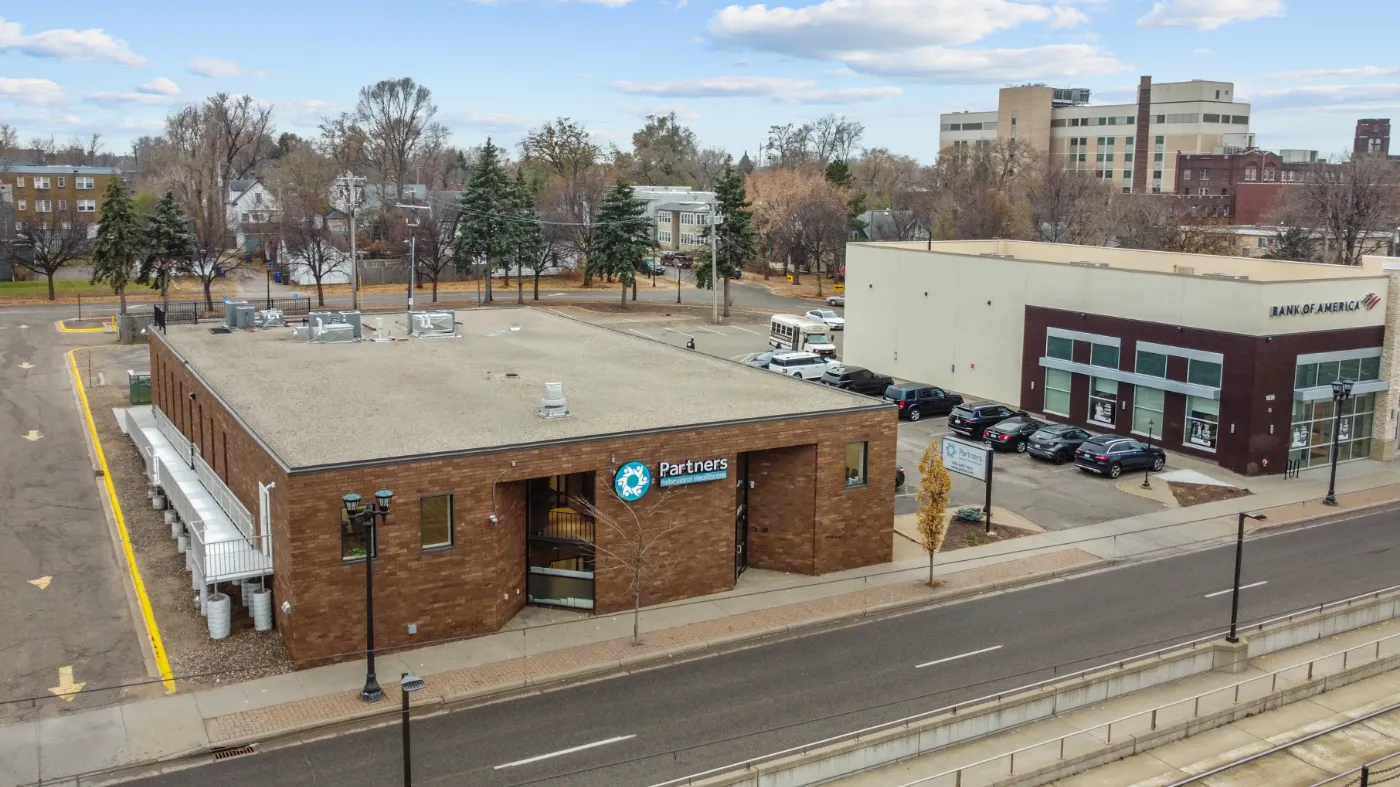
1630 University Ave W | St. Paul, MN 55104
Phone
(888) 648-7652
Hours
Monday–Friday, 8:00 AM – 4:00 PM
Services
Intensive Outpatient Program (IOP)
Full Day IOP 2.5 - 25 Hours
IOP 2.1 - 18 Hours
Assessment Scheduling
Substance Use Treatment
Mental Health Services
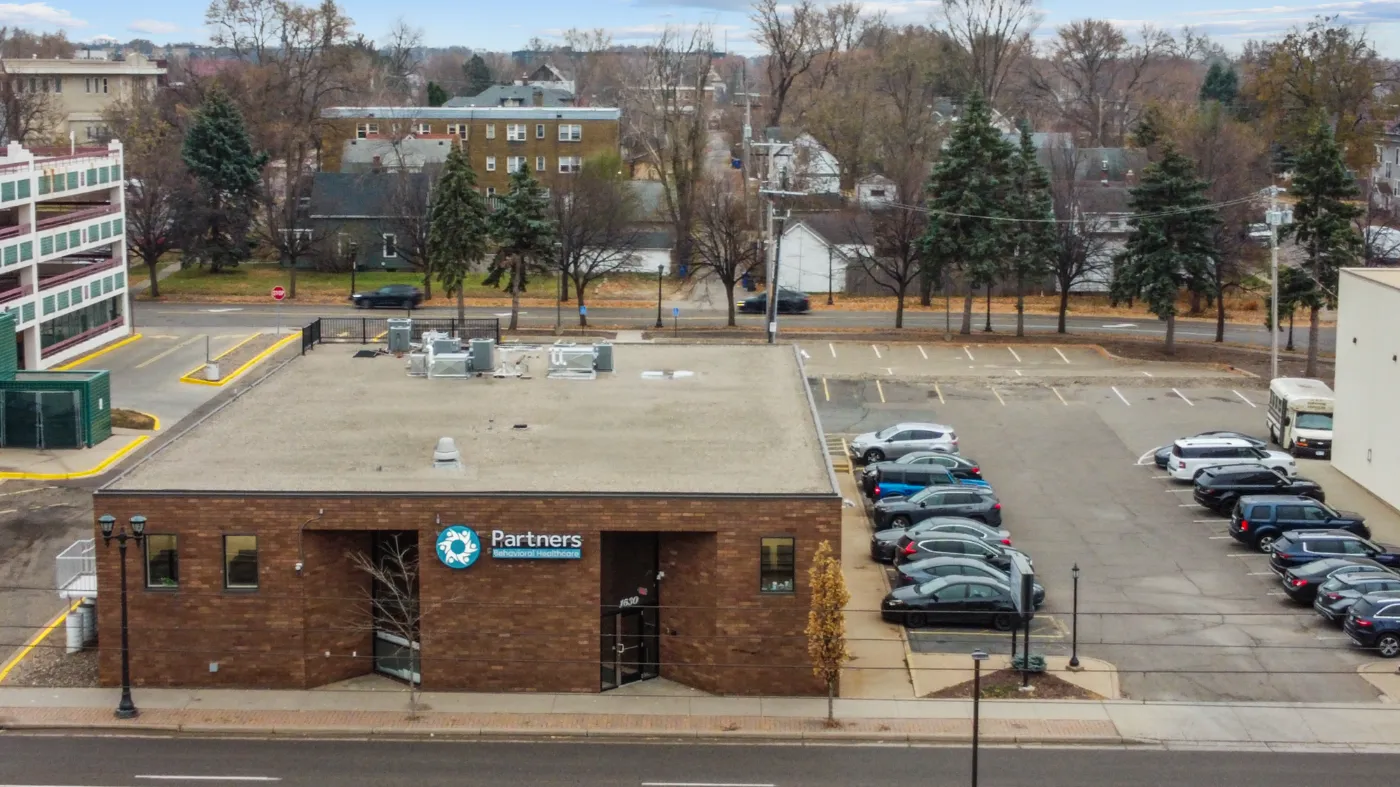
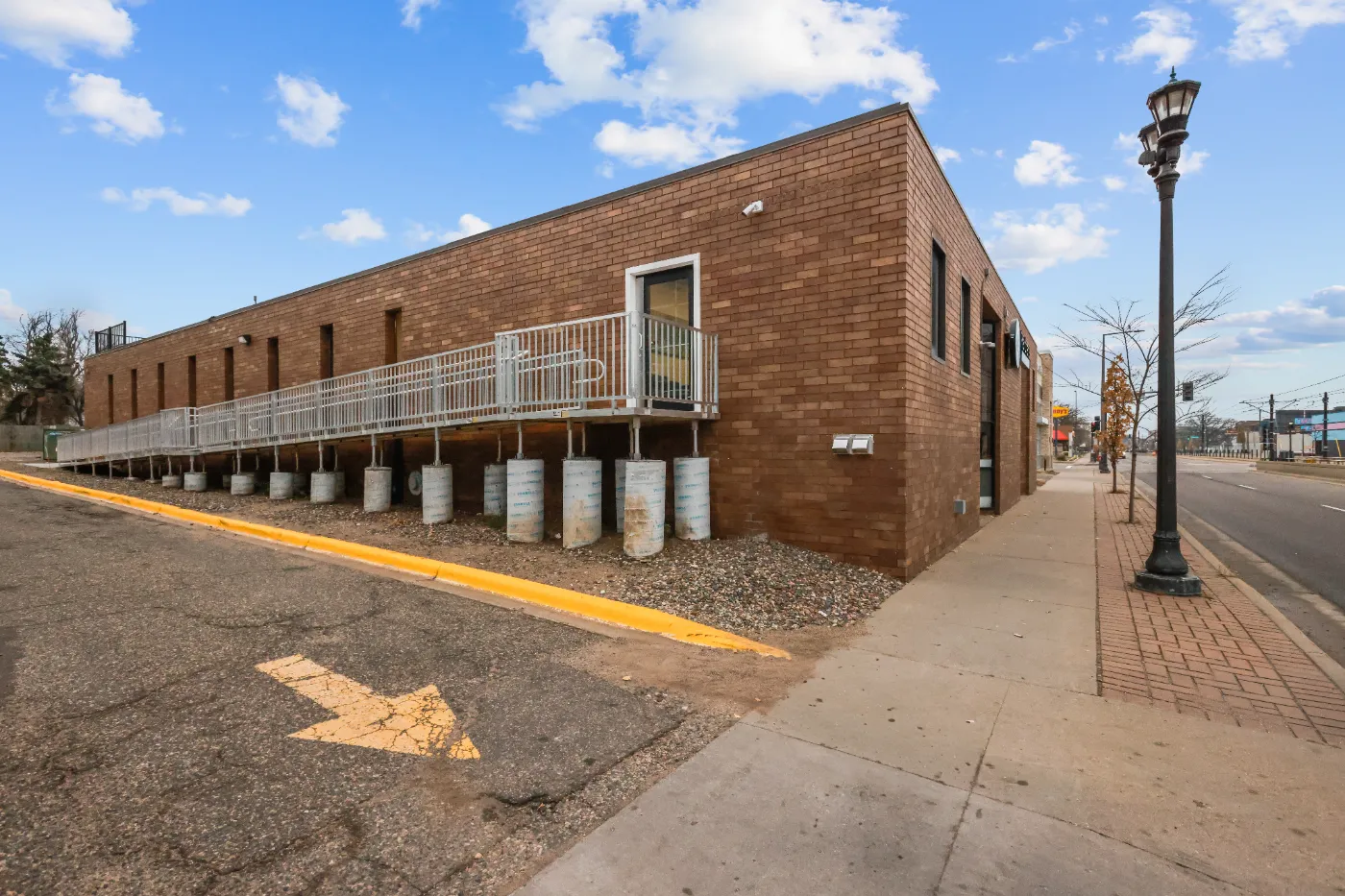
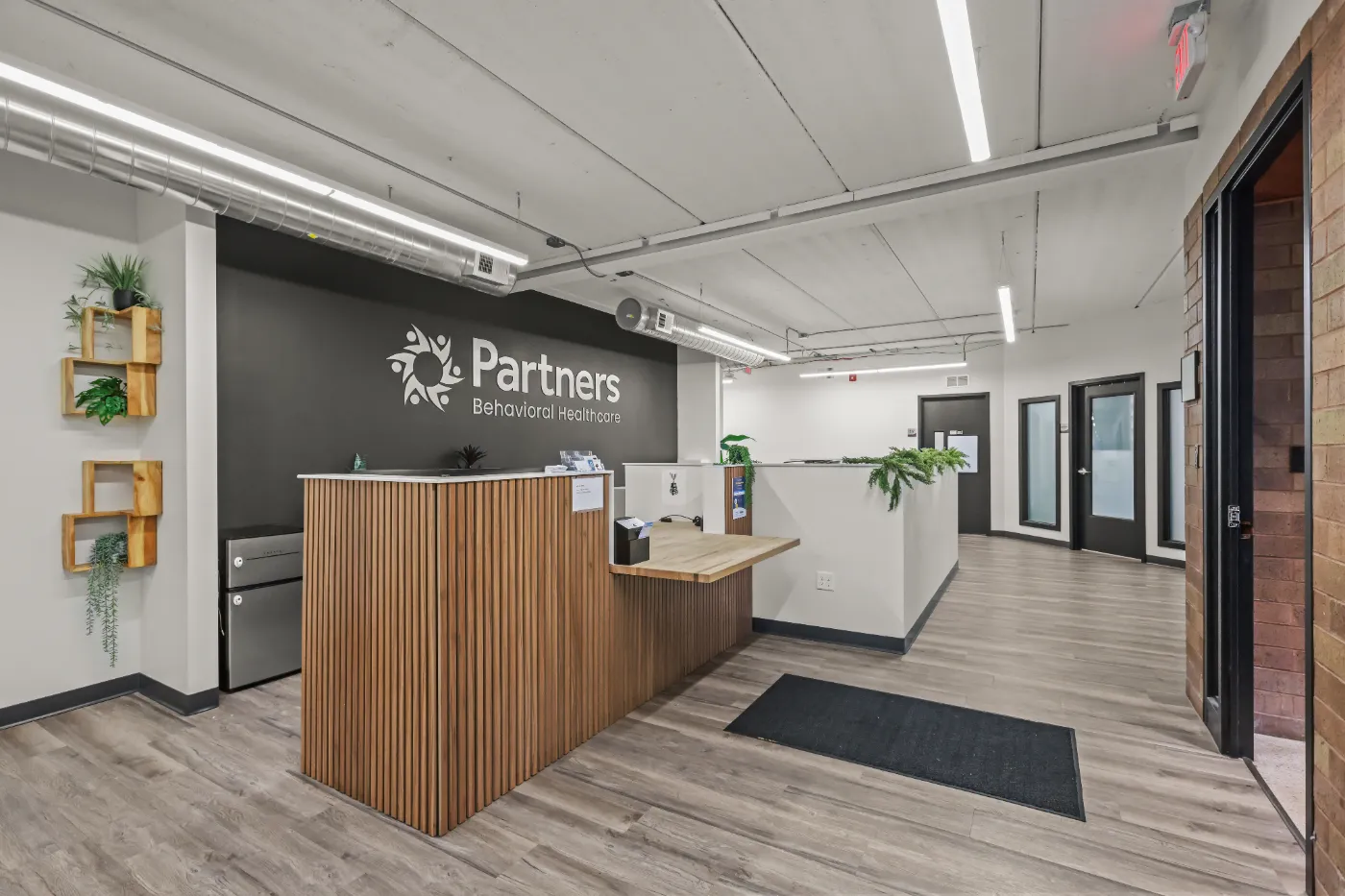
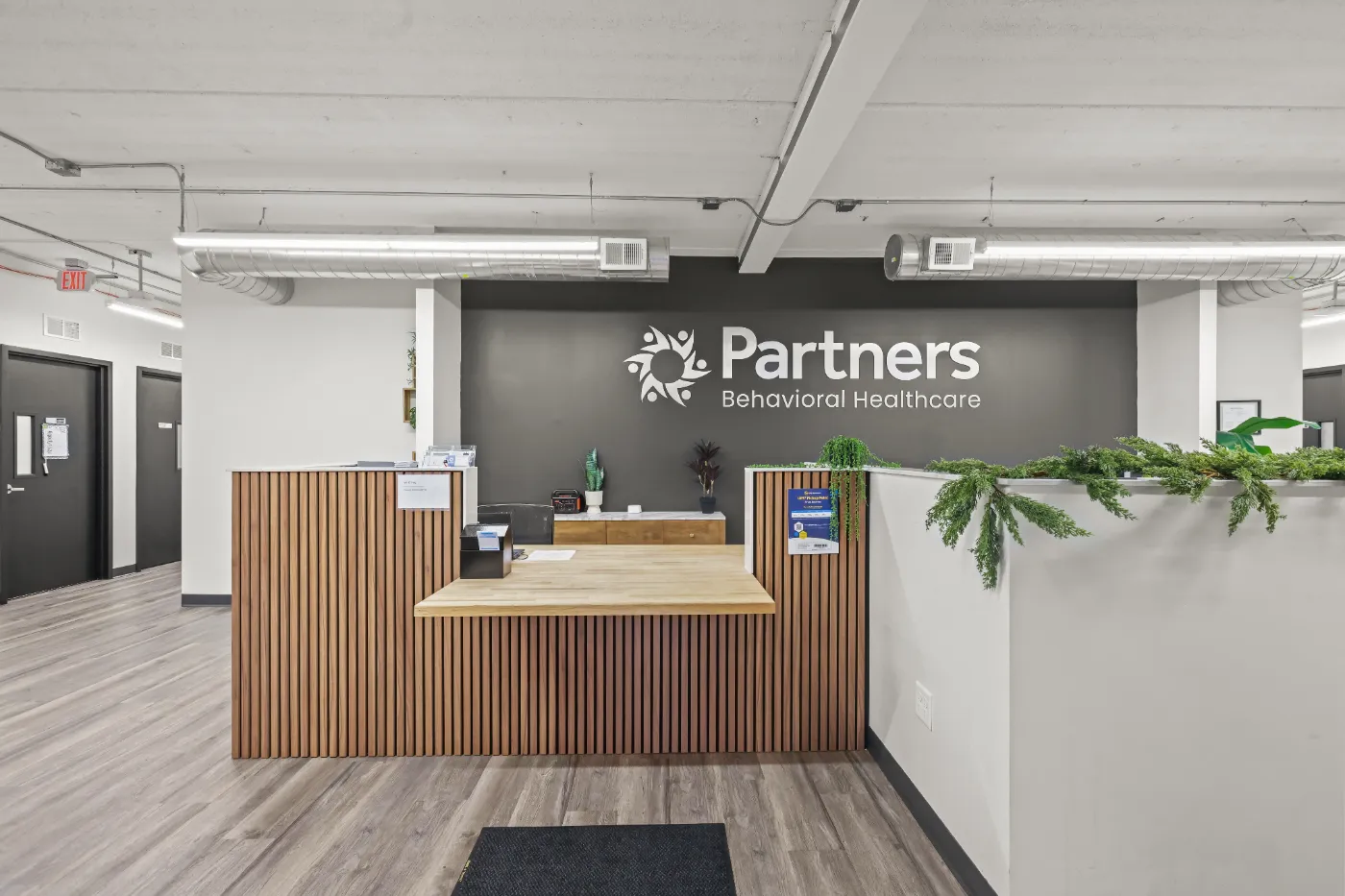
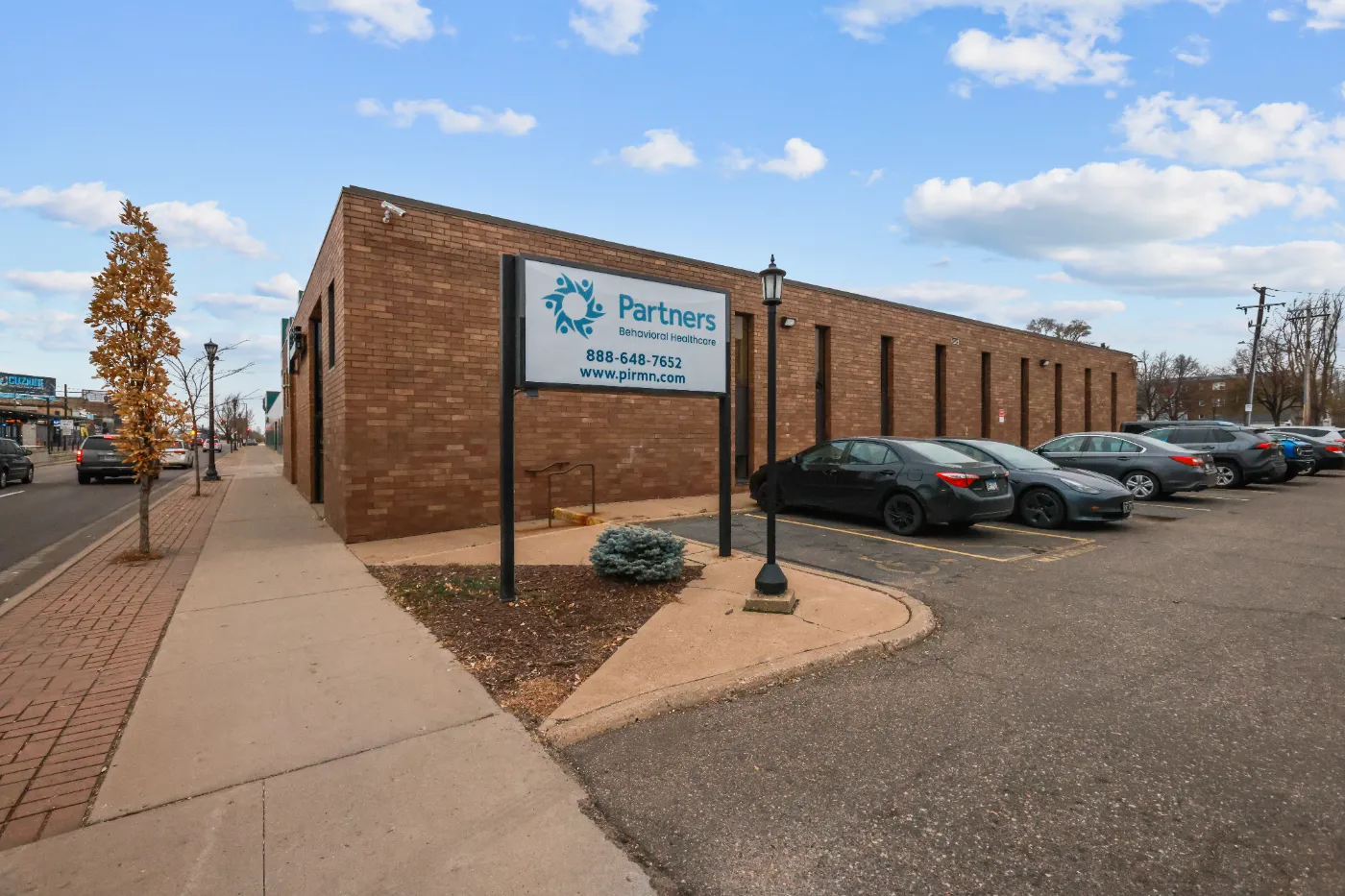
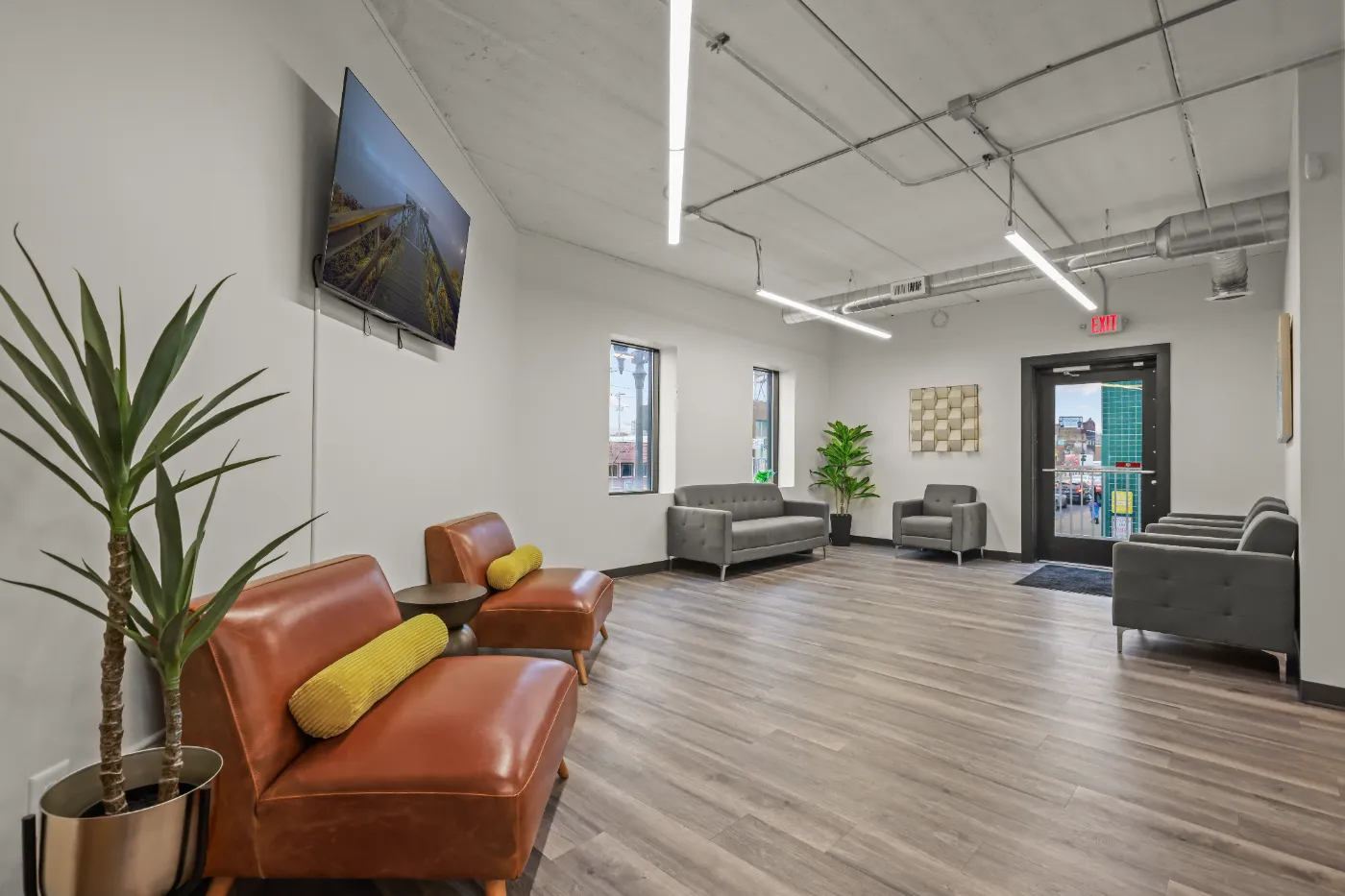
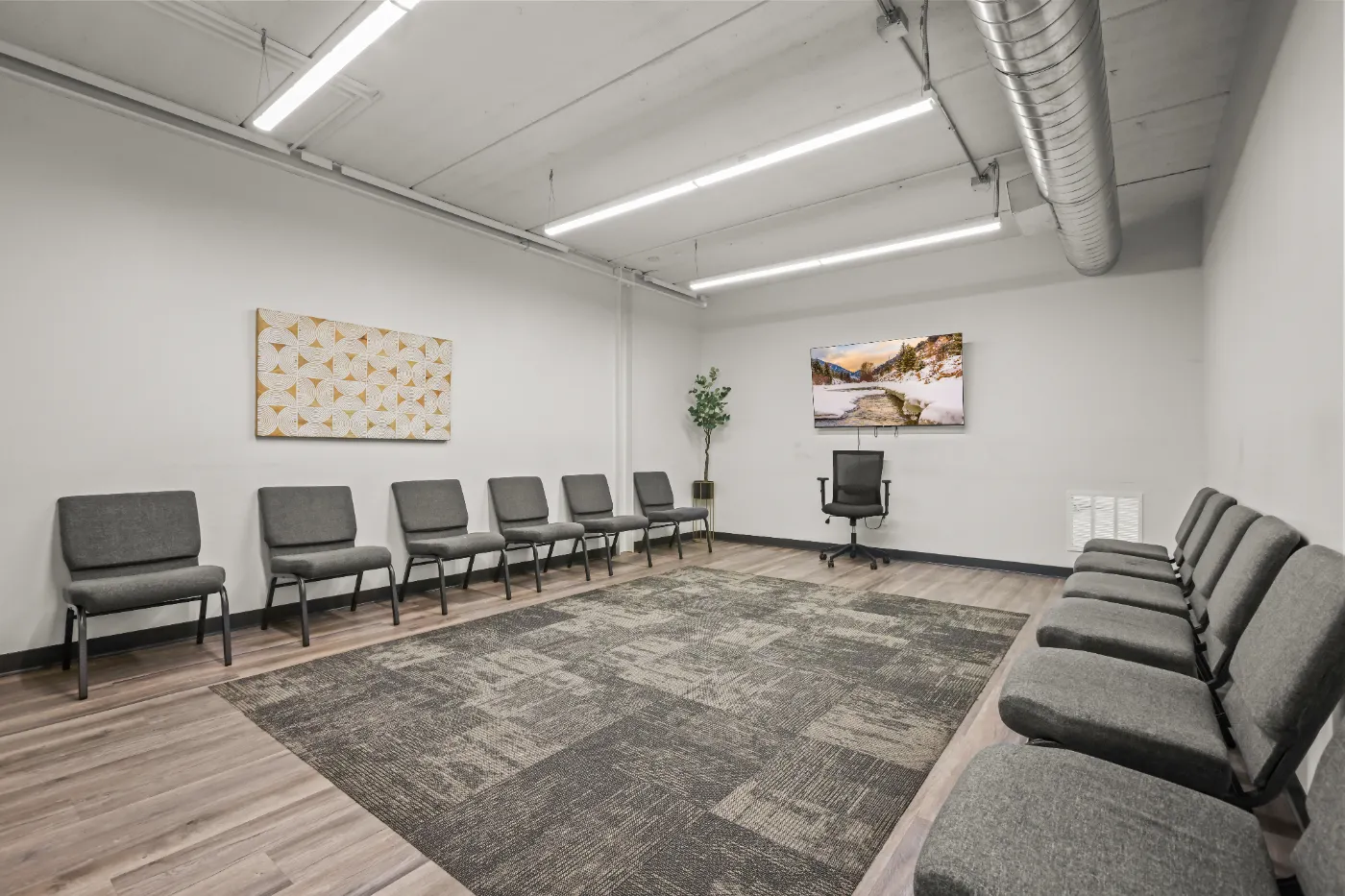
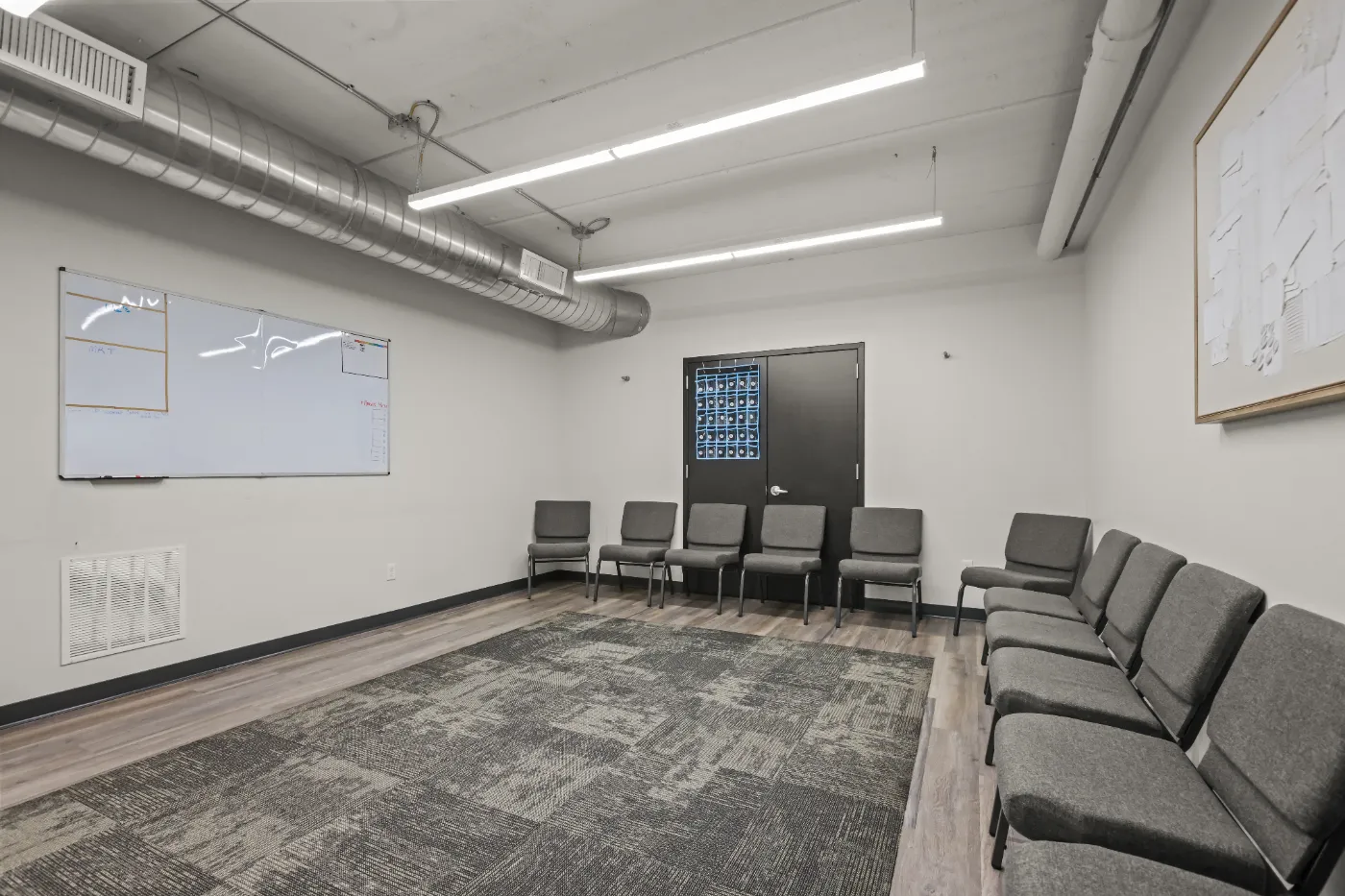
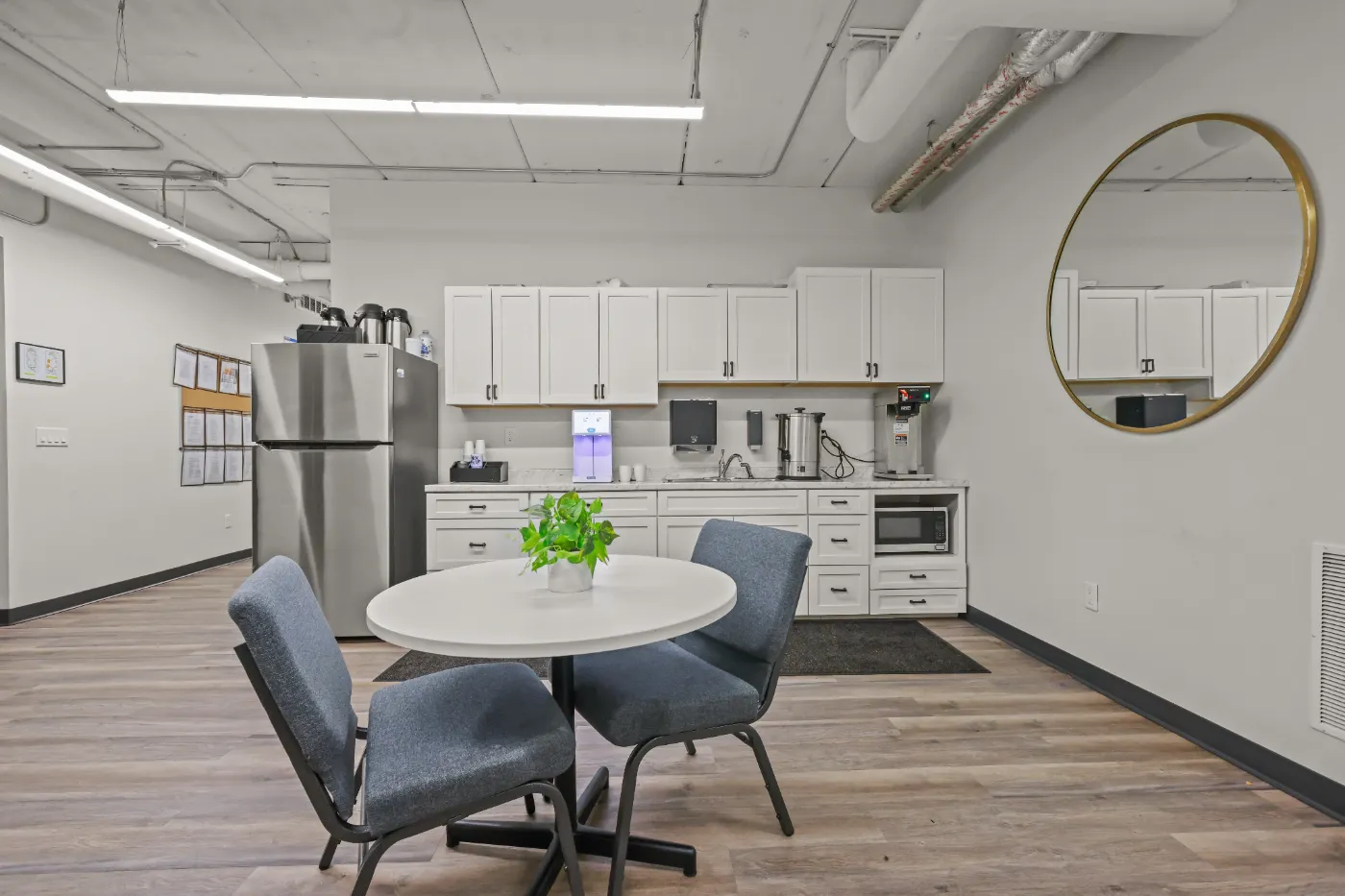
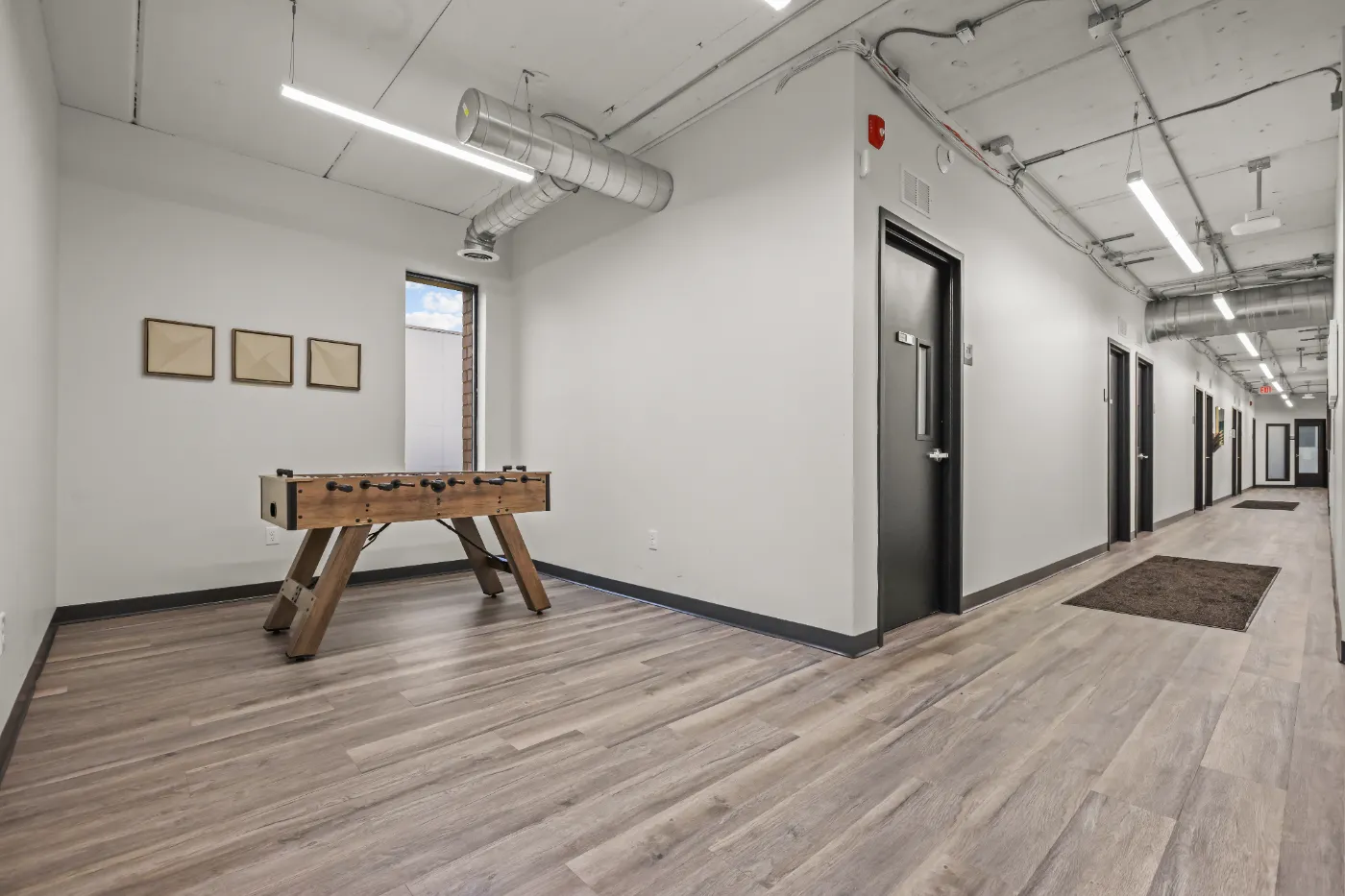
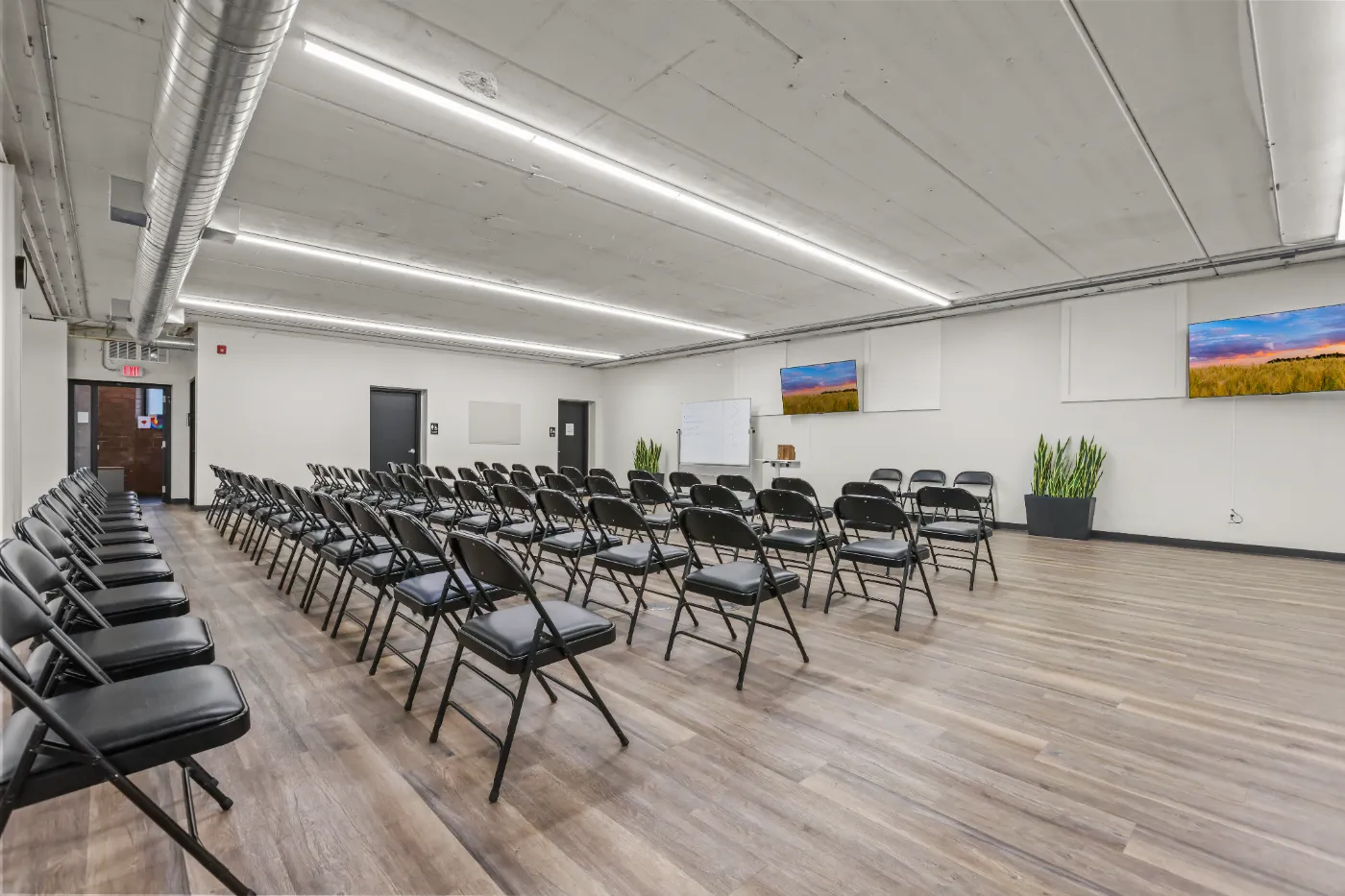
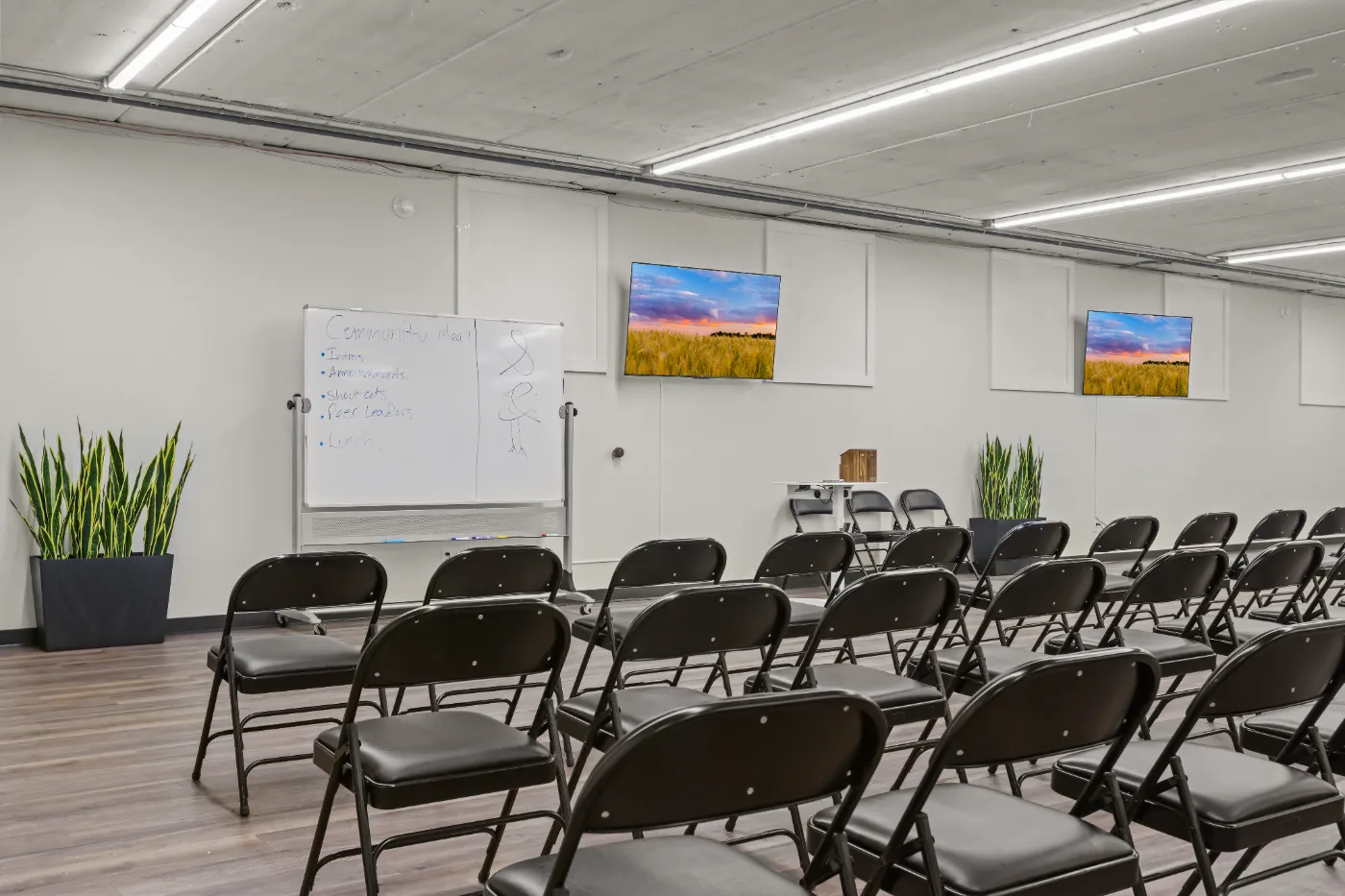
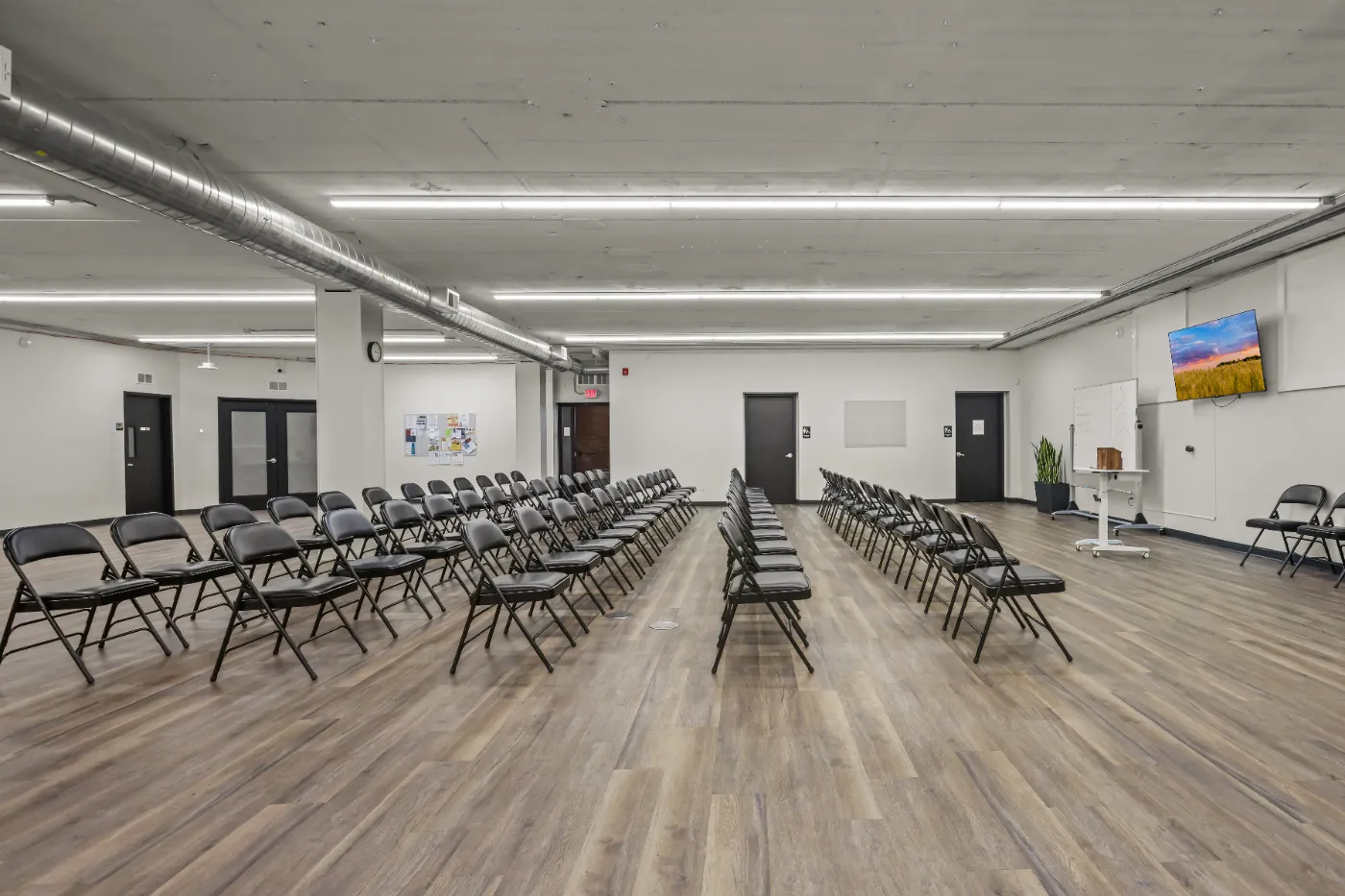
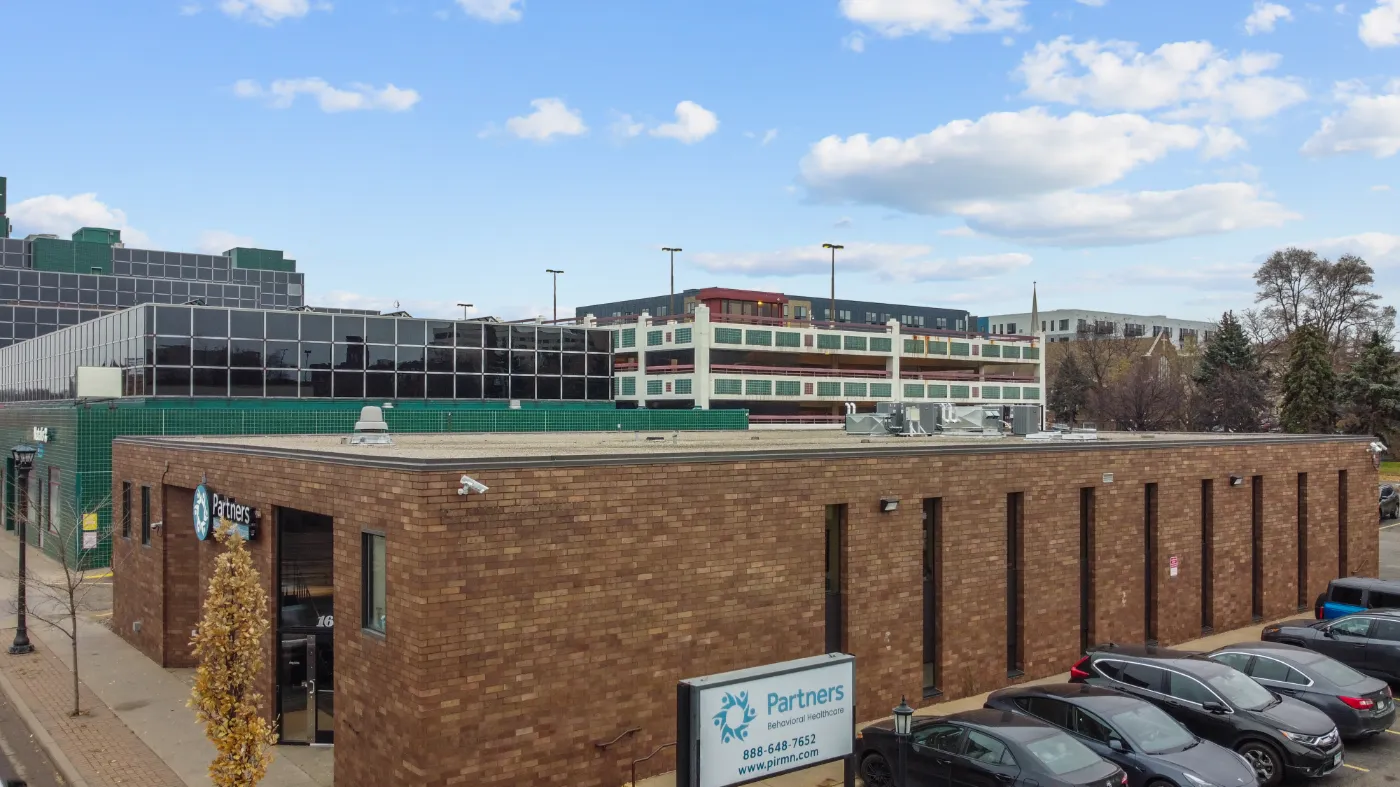
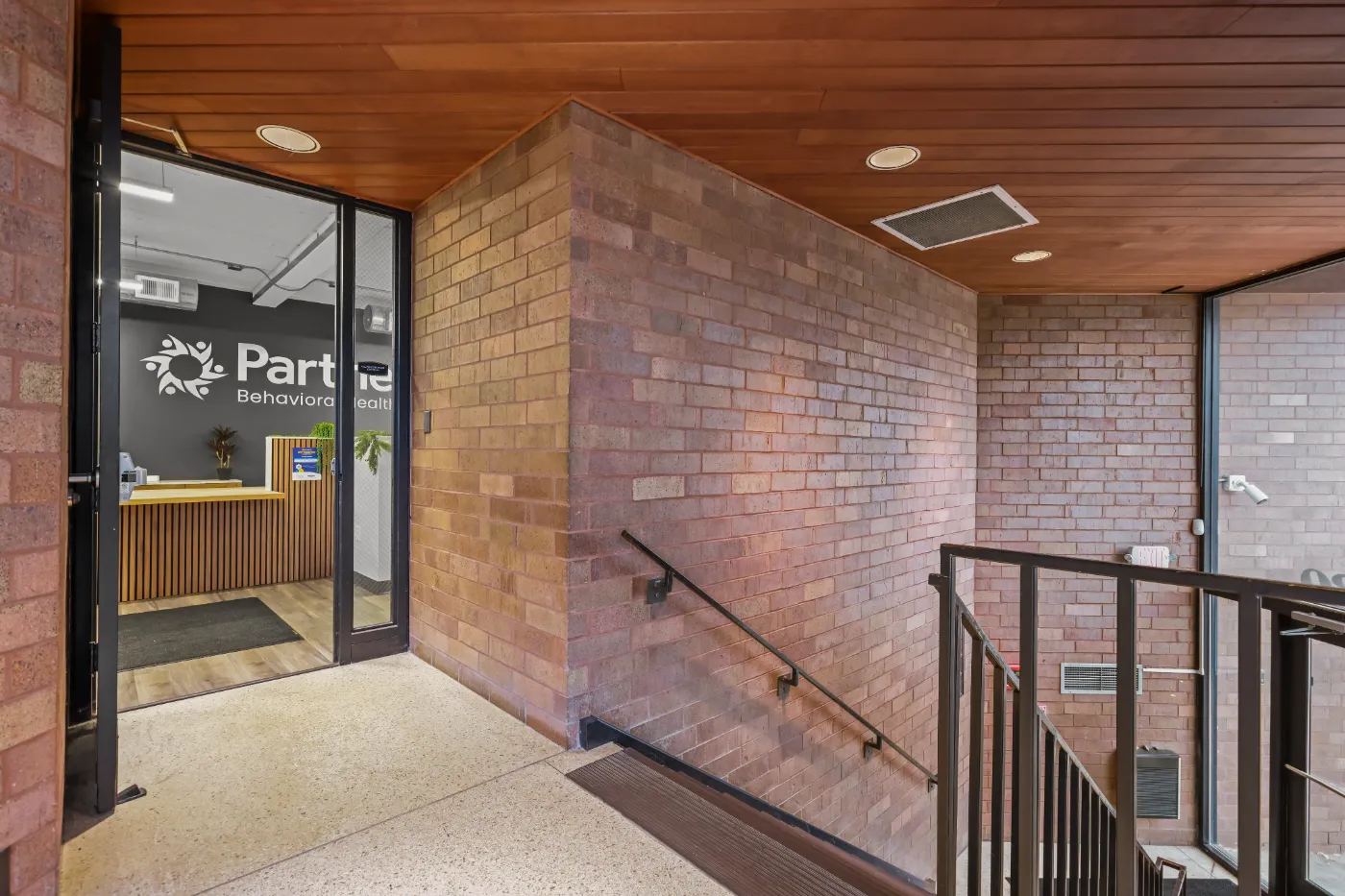
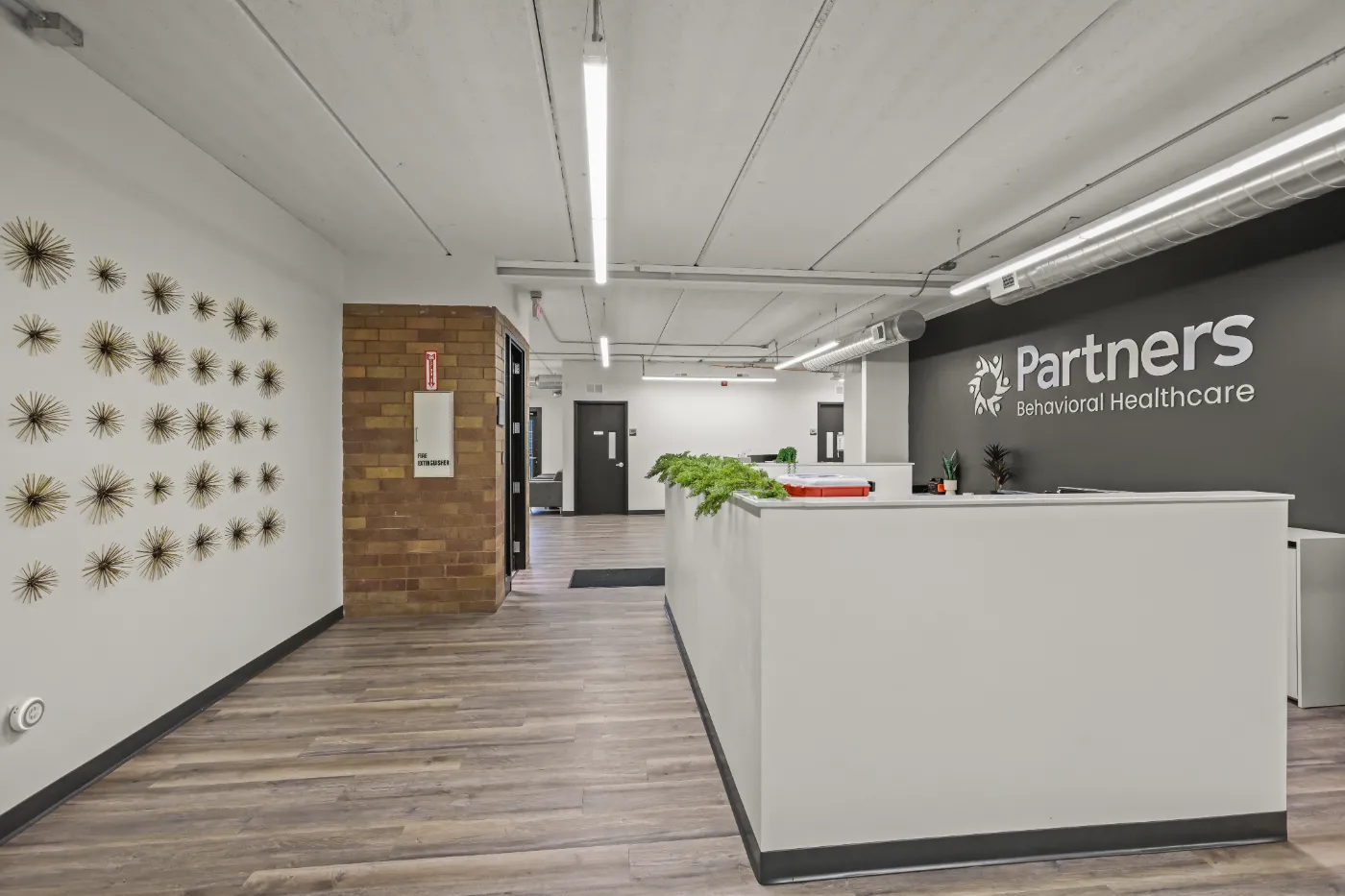
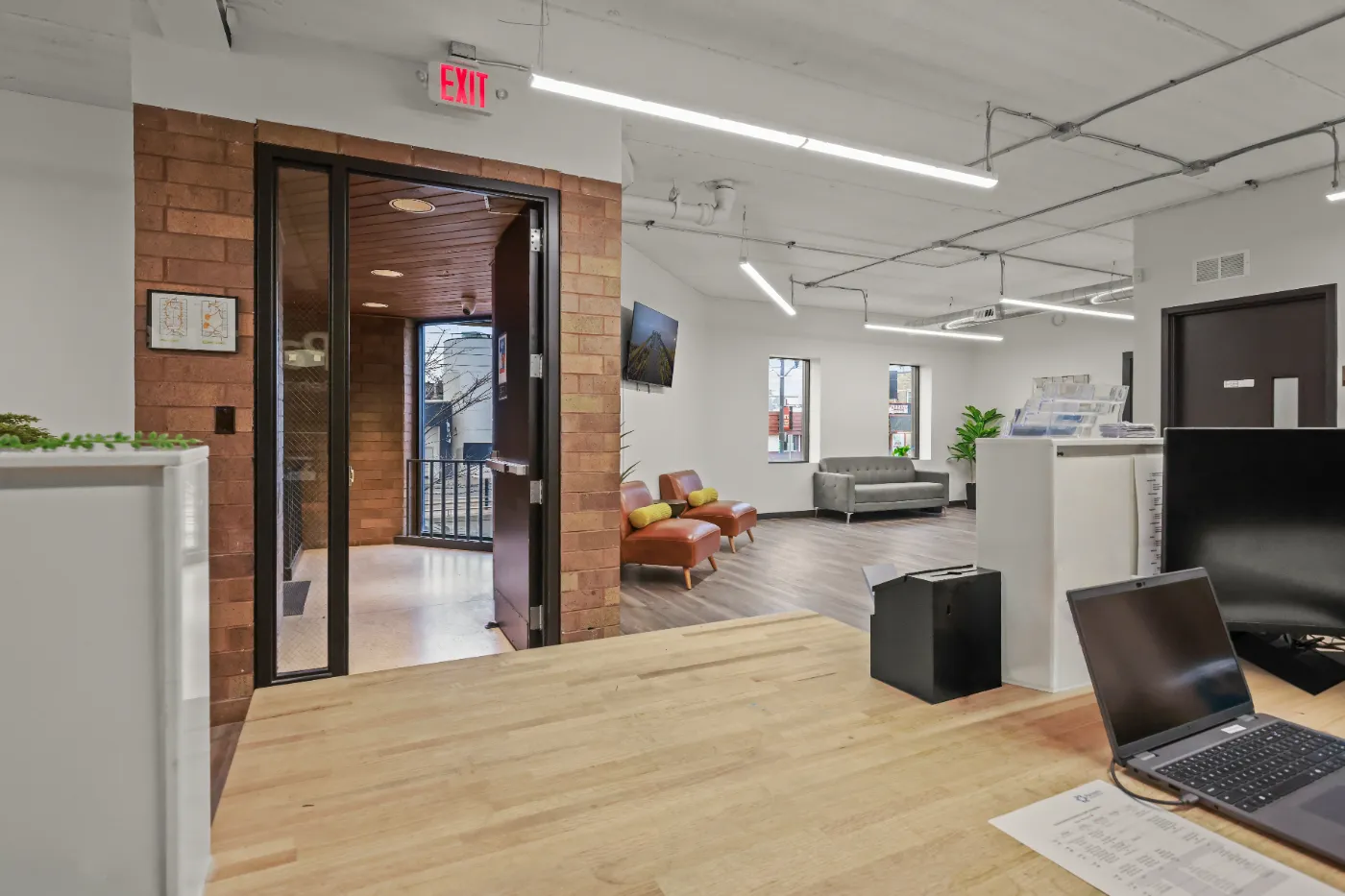
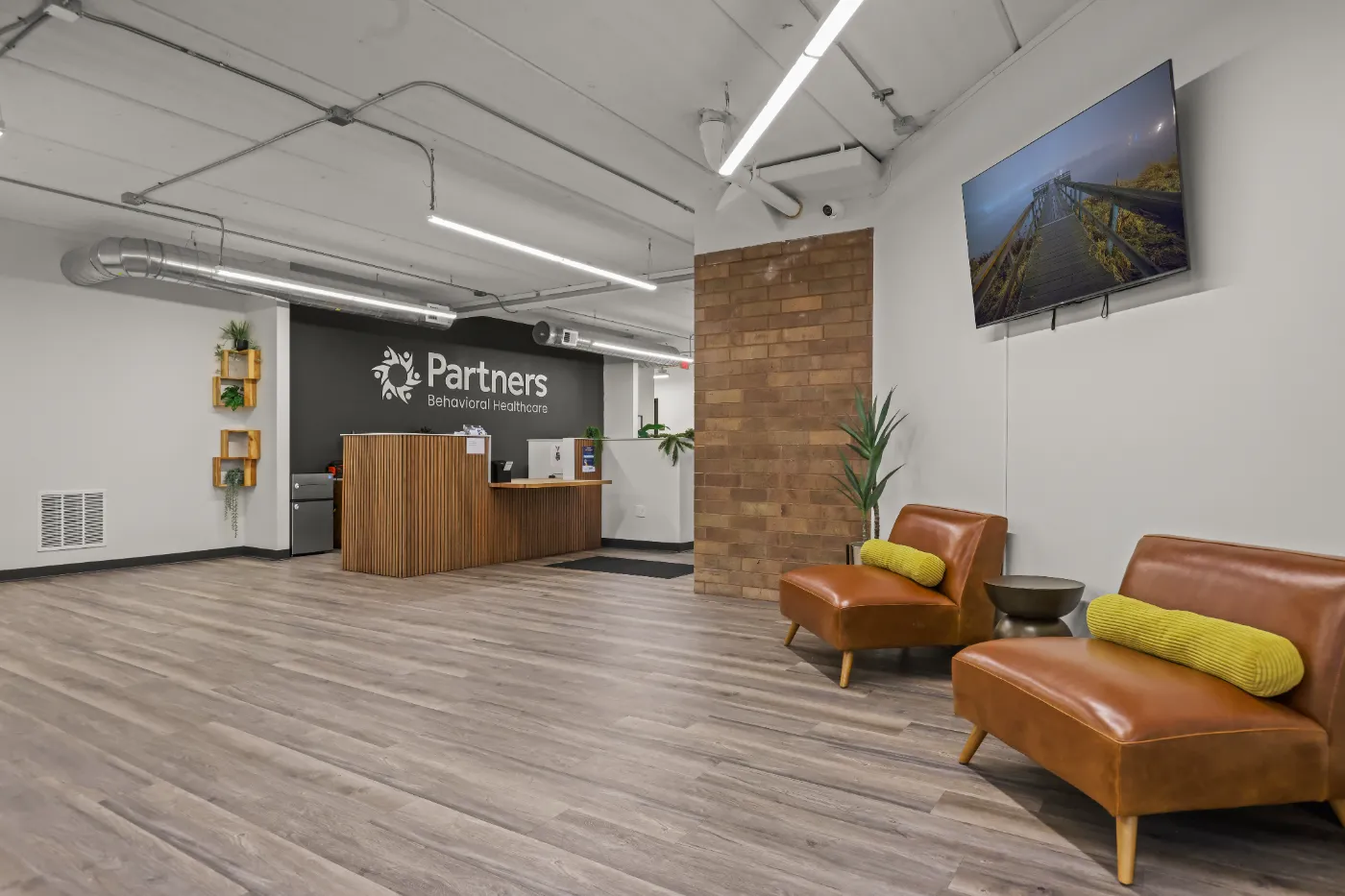
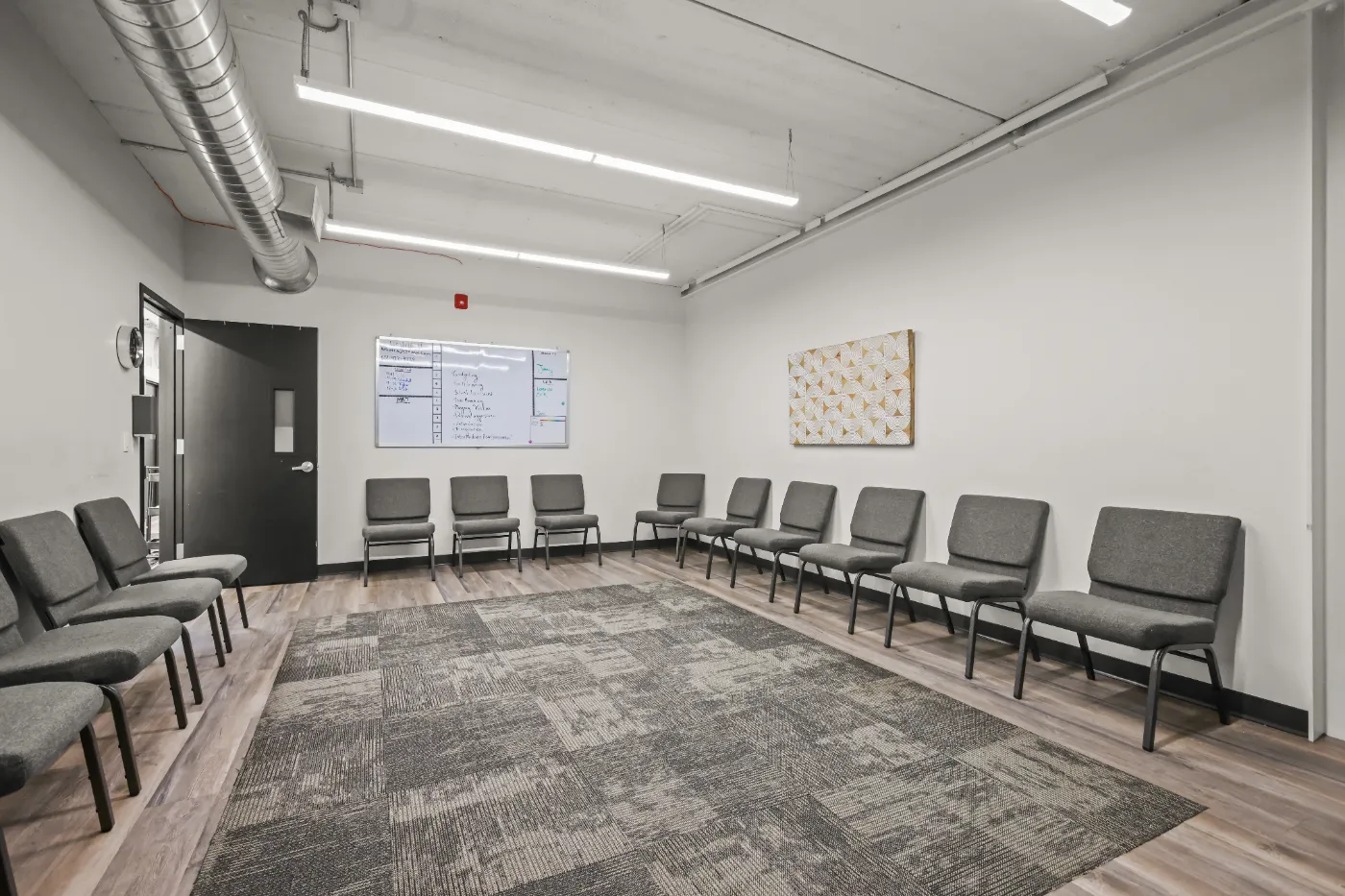
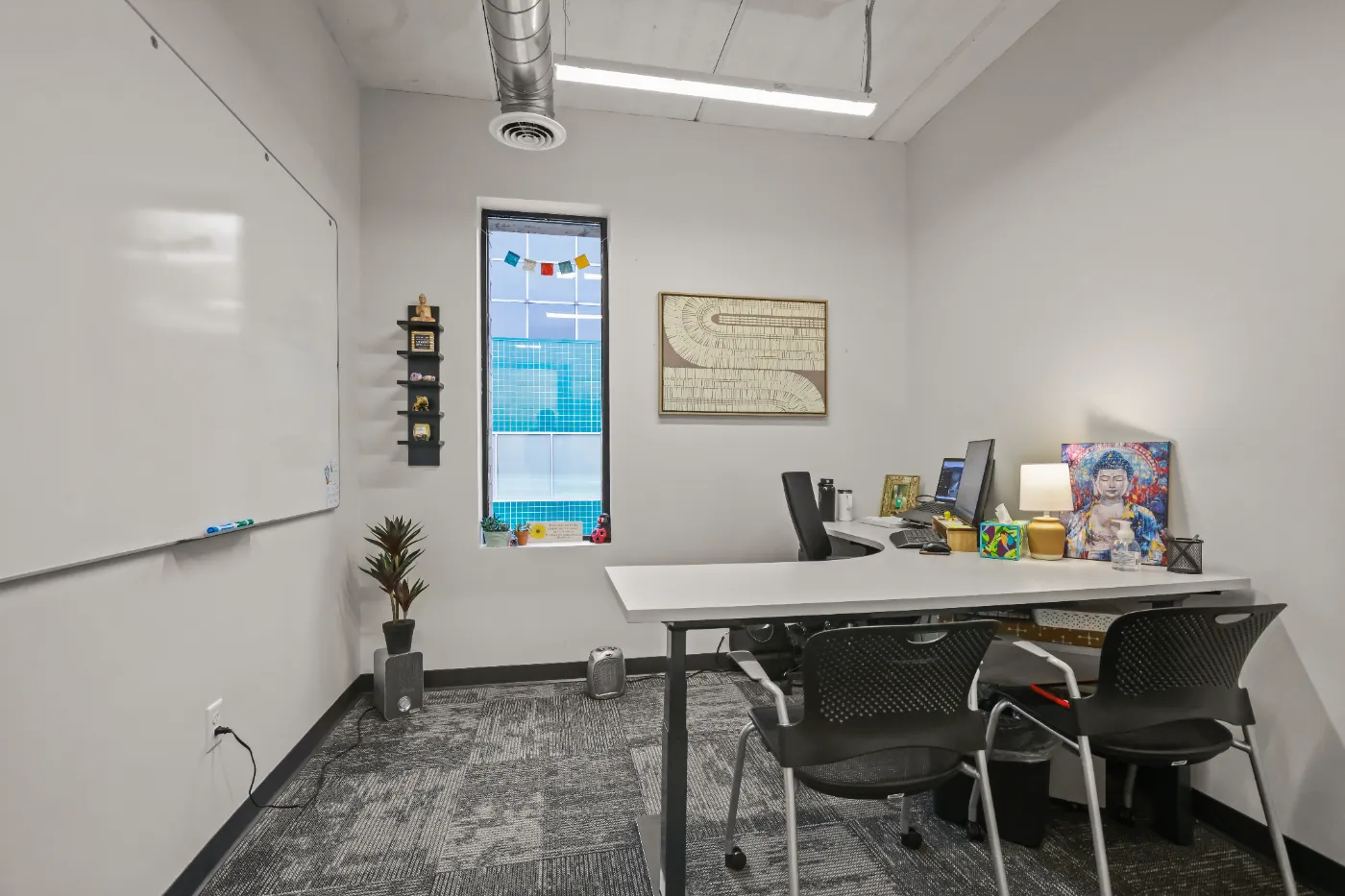
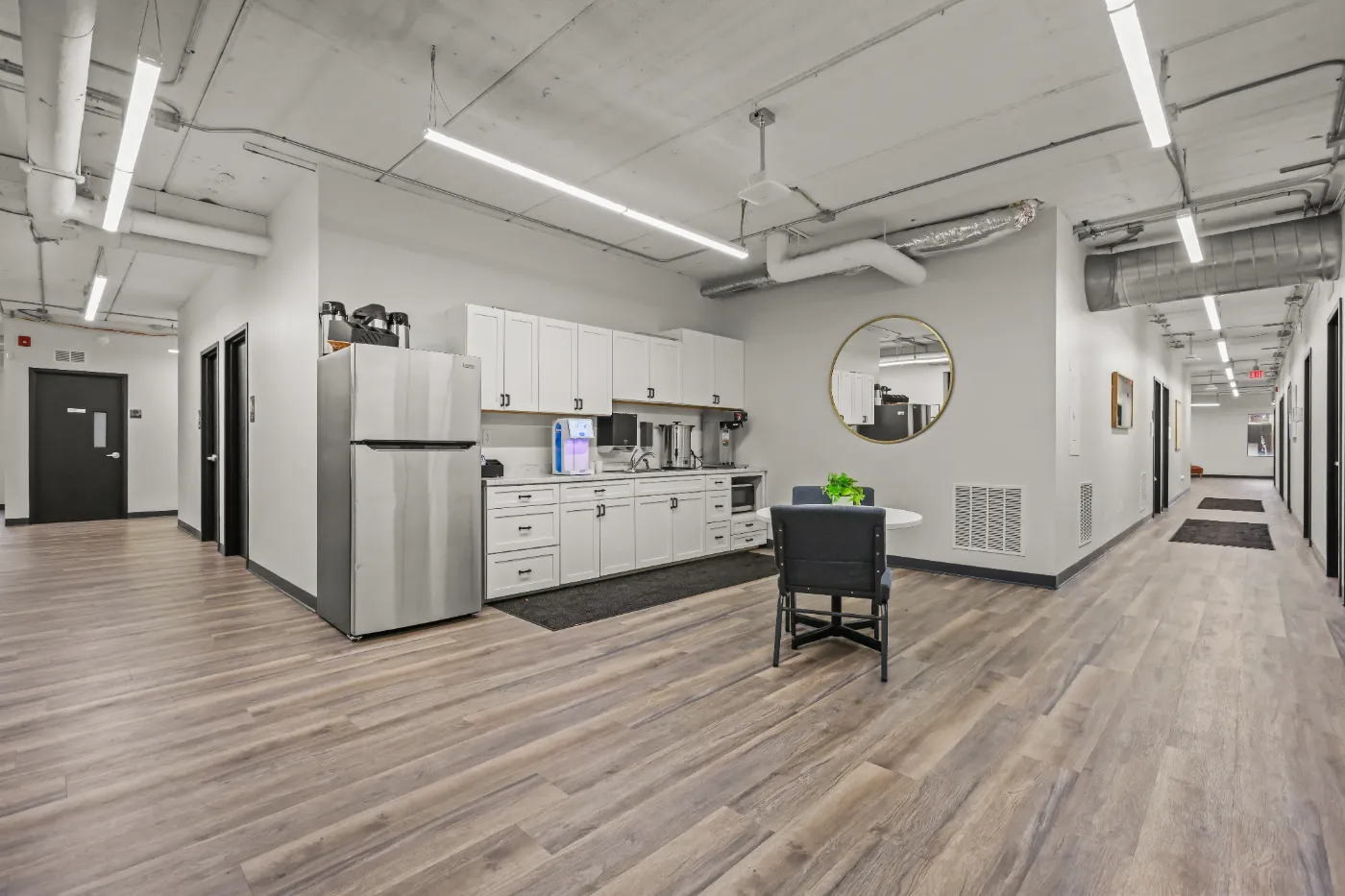
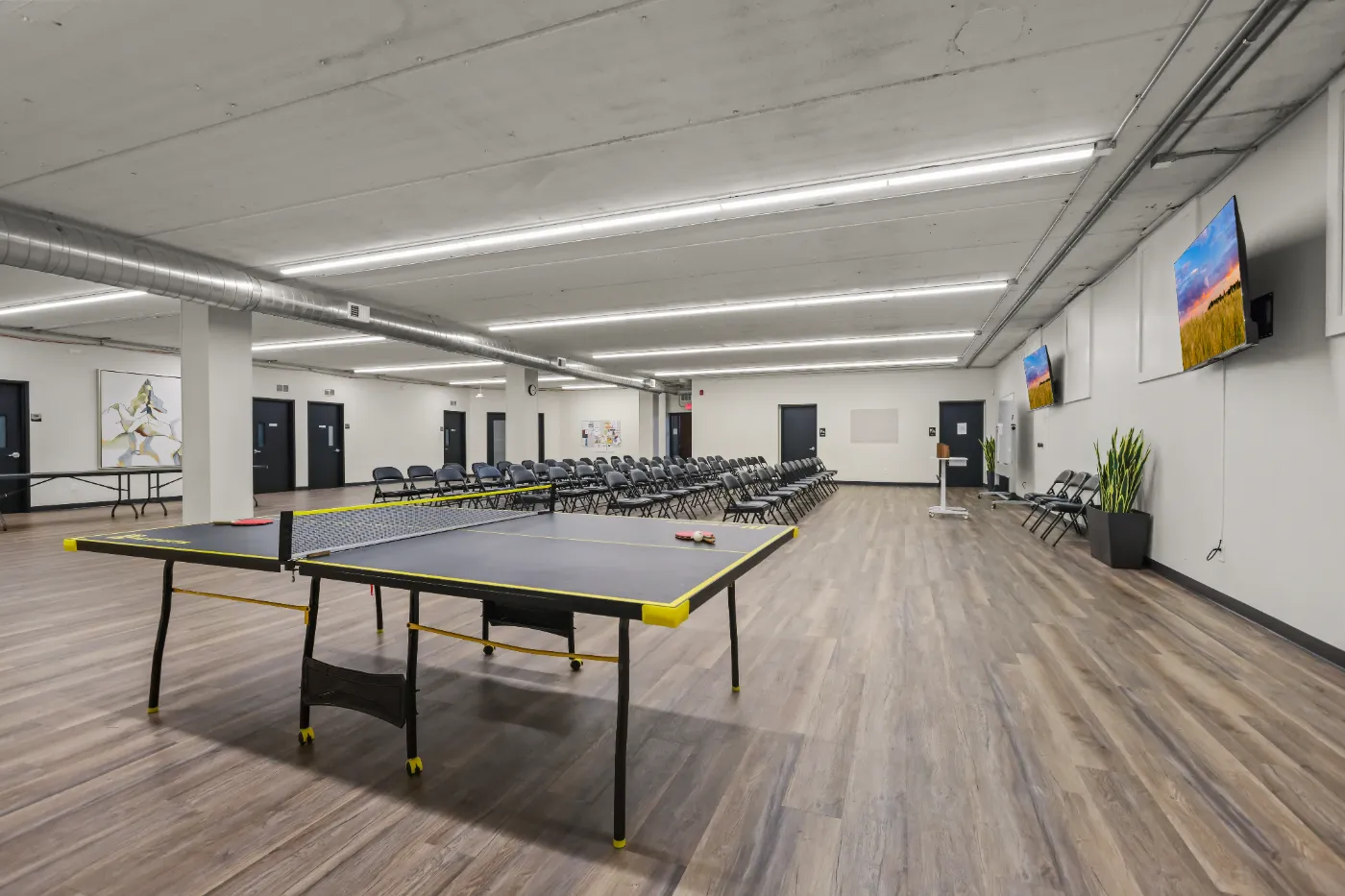
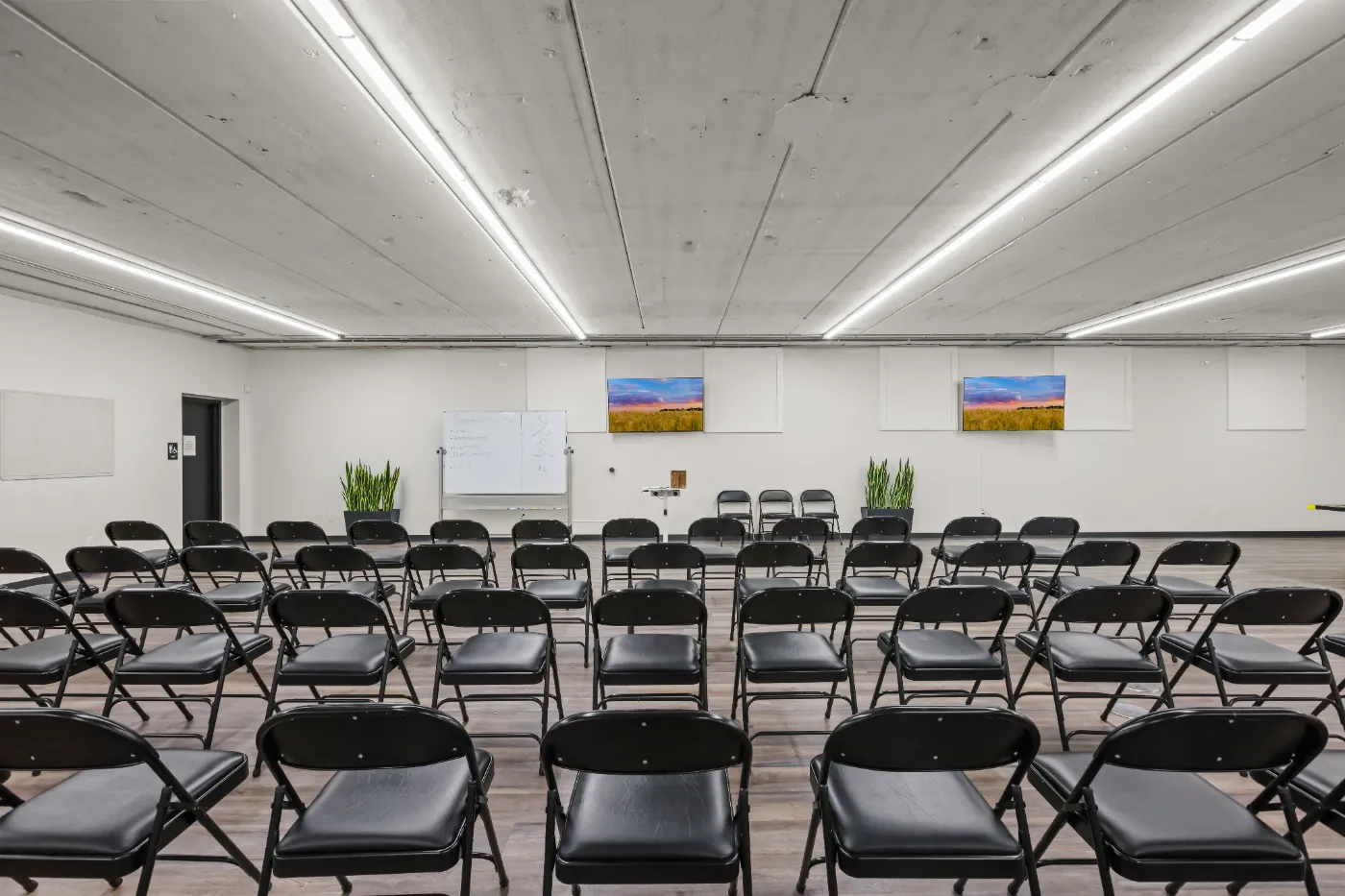
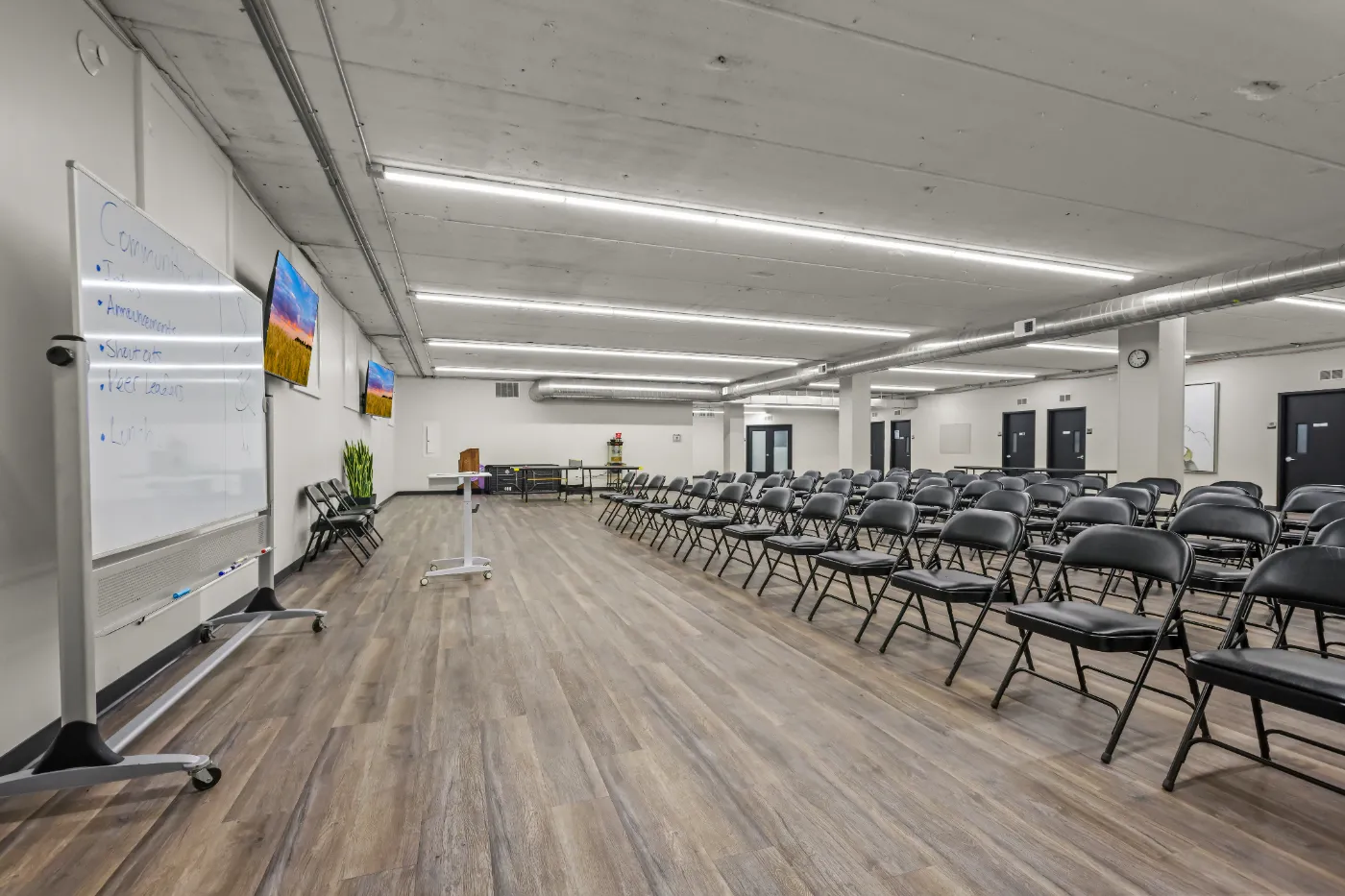
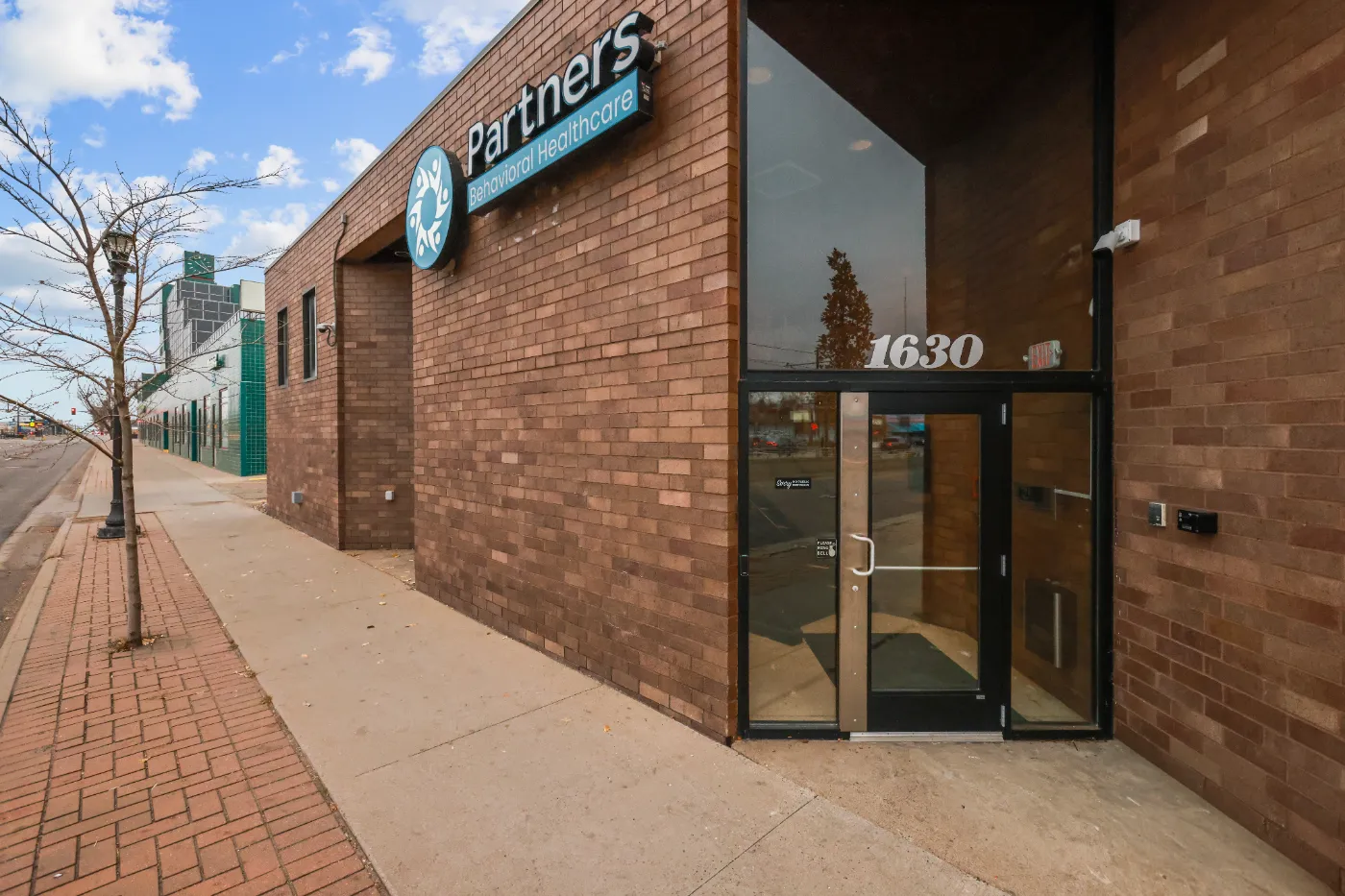
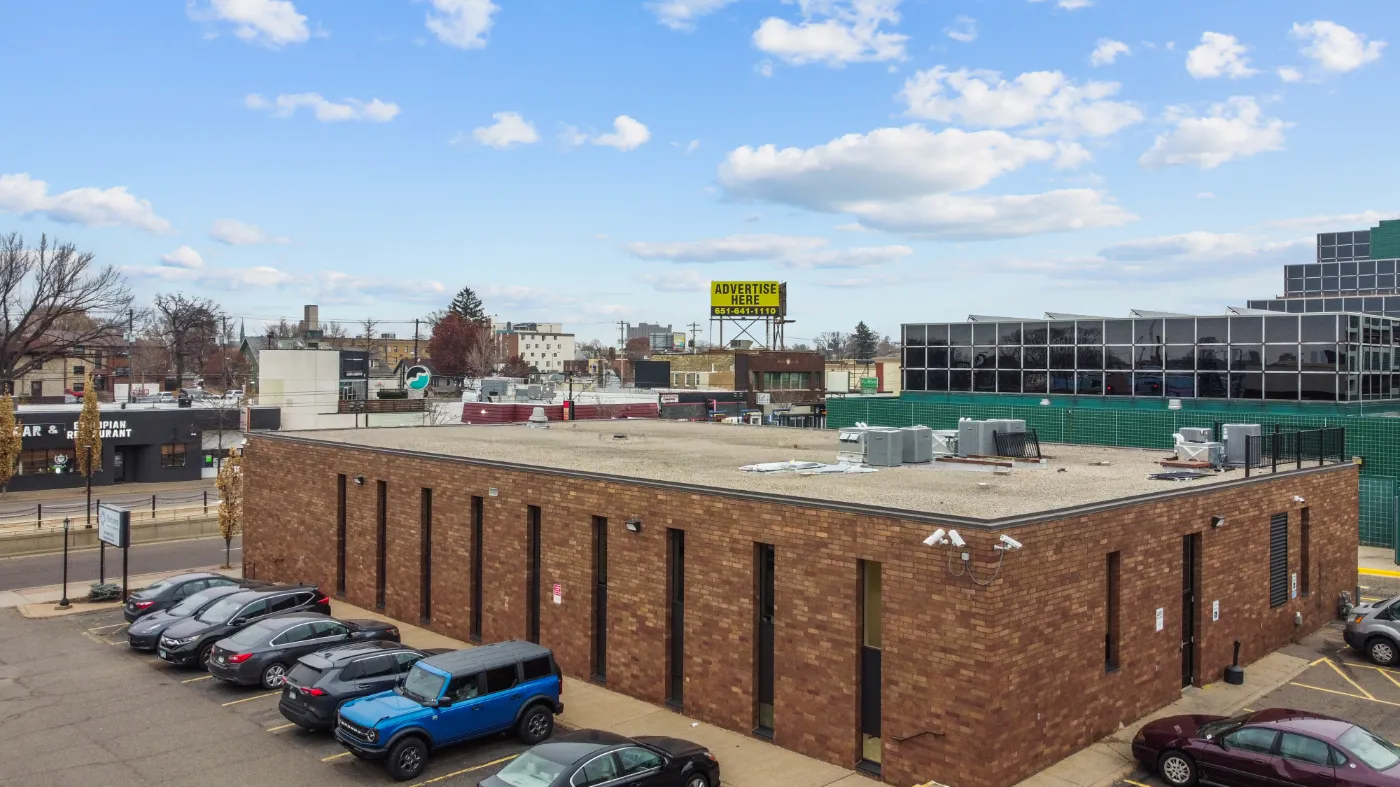
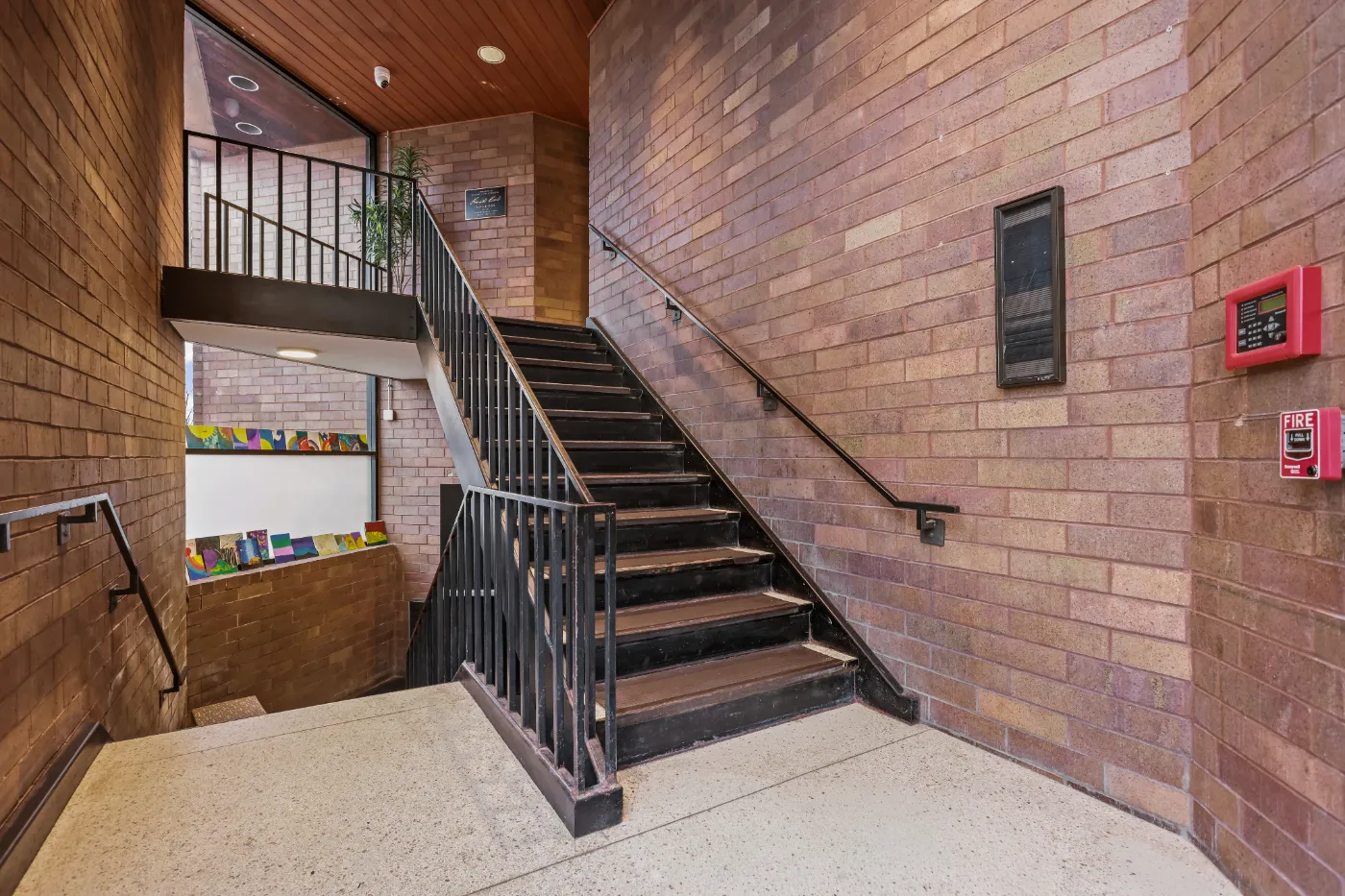
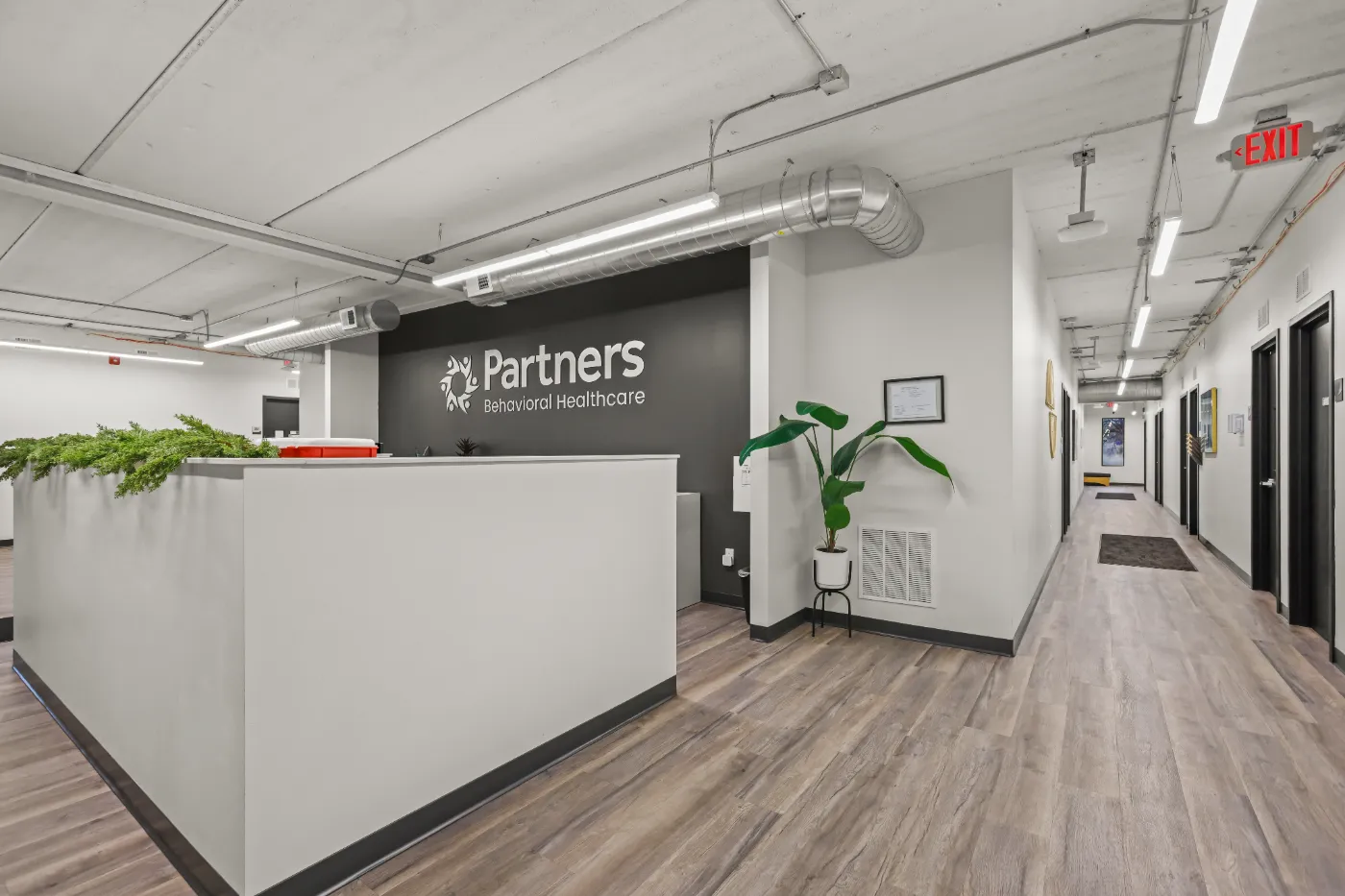
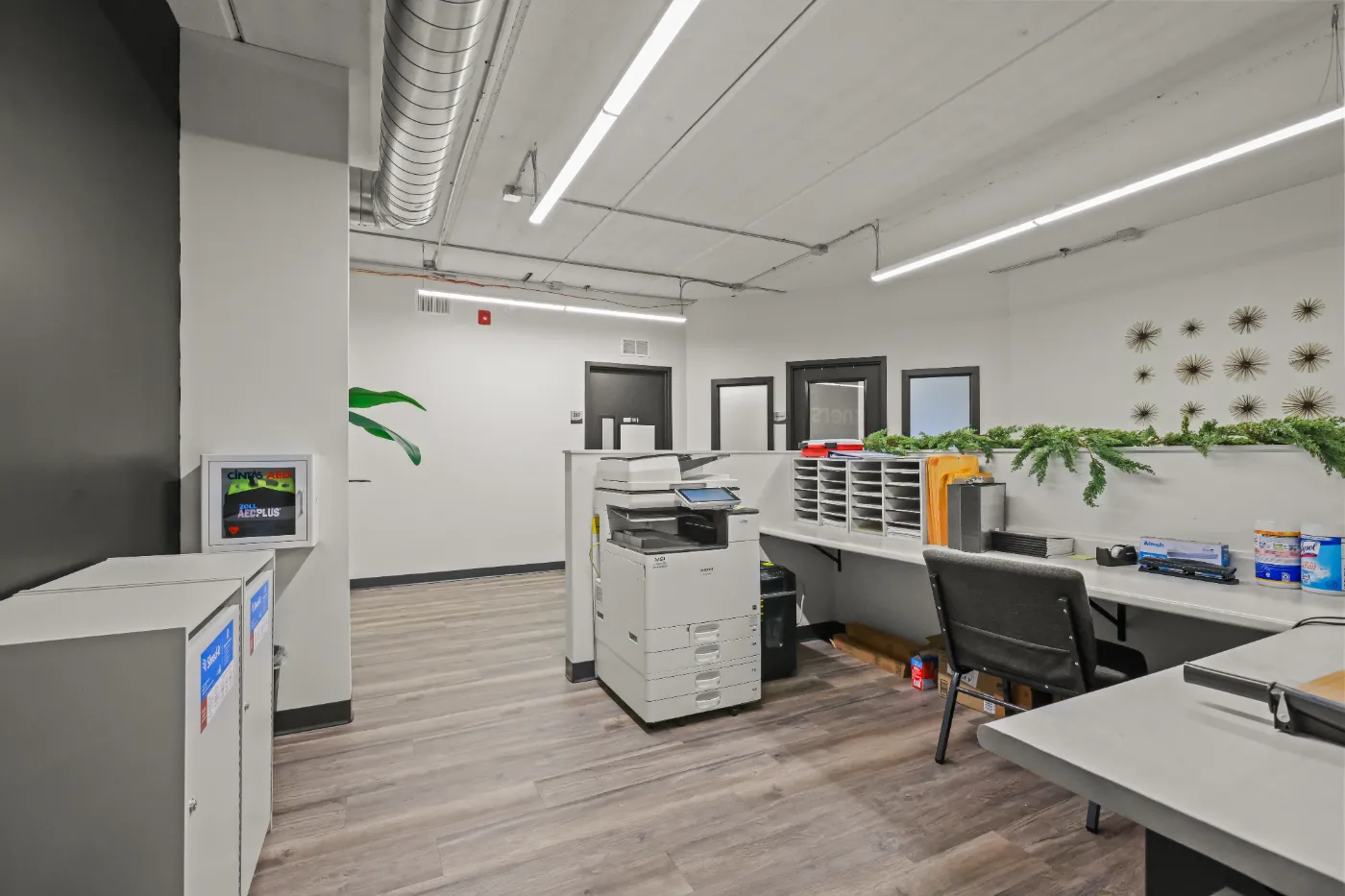
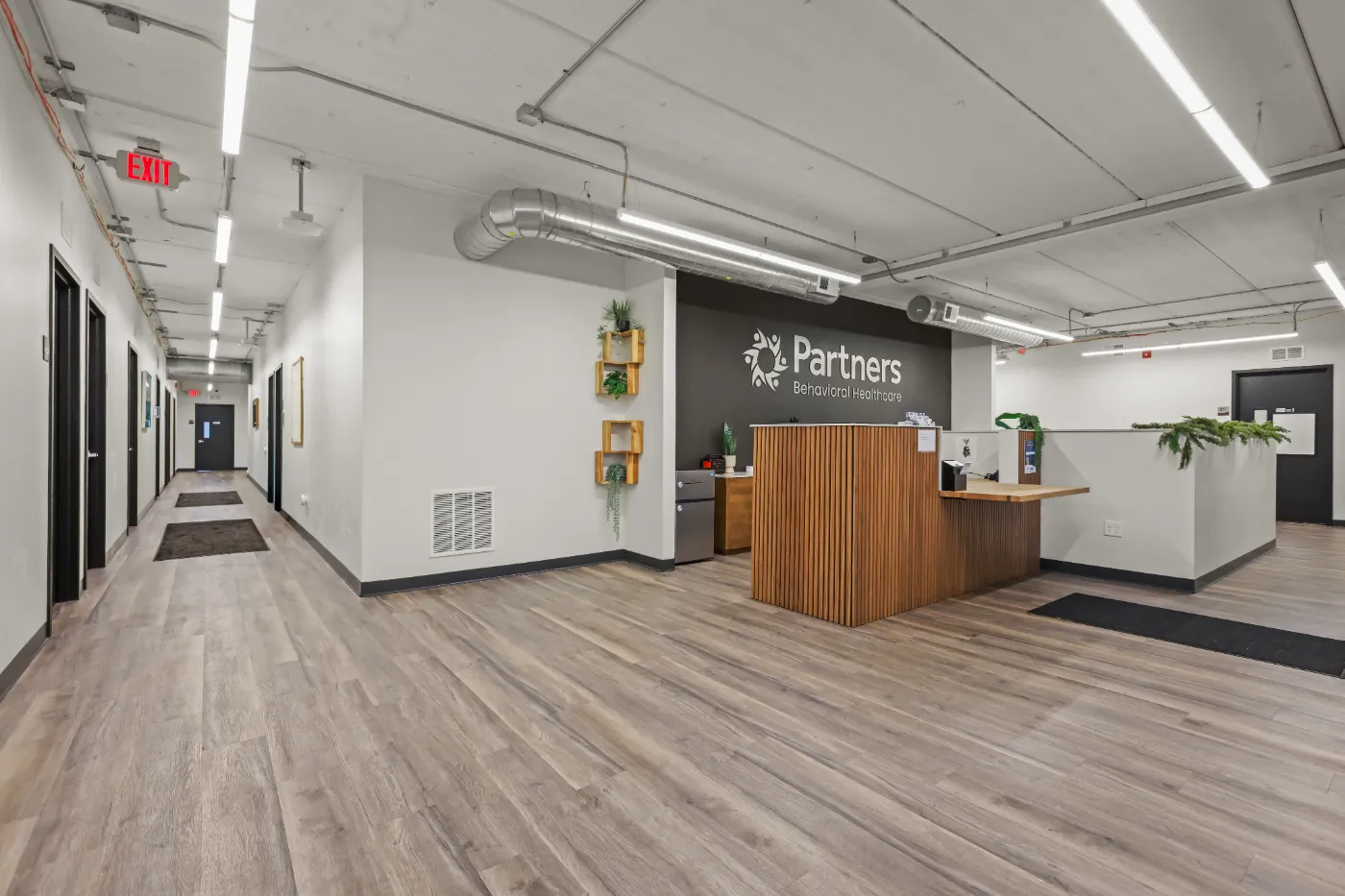
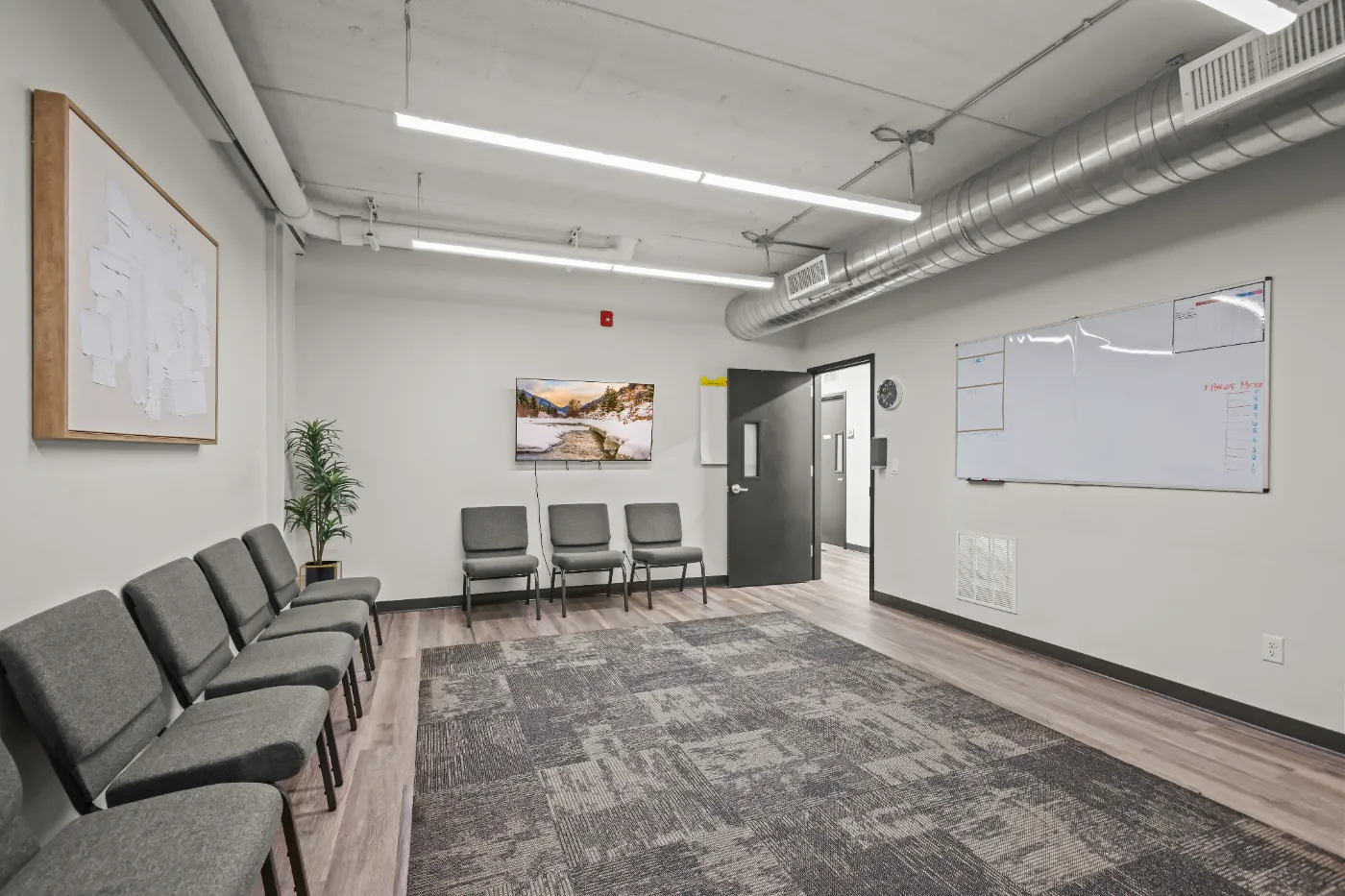
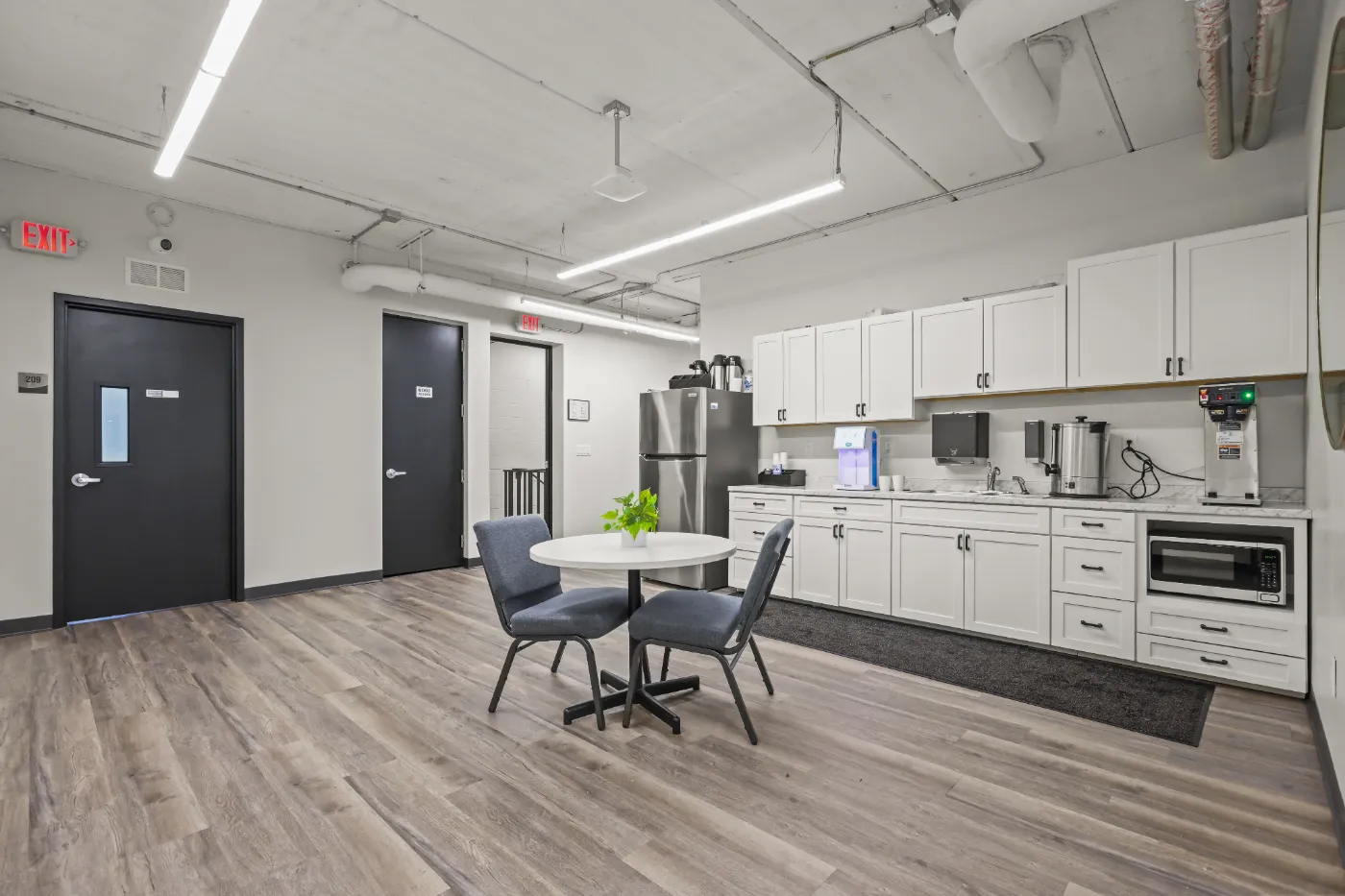
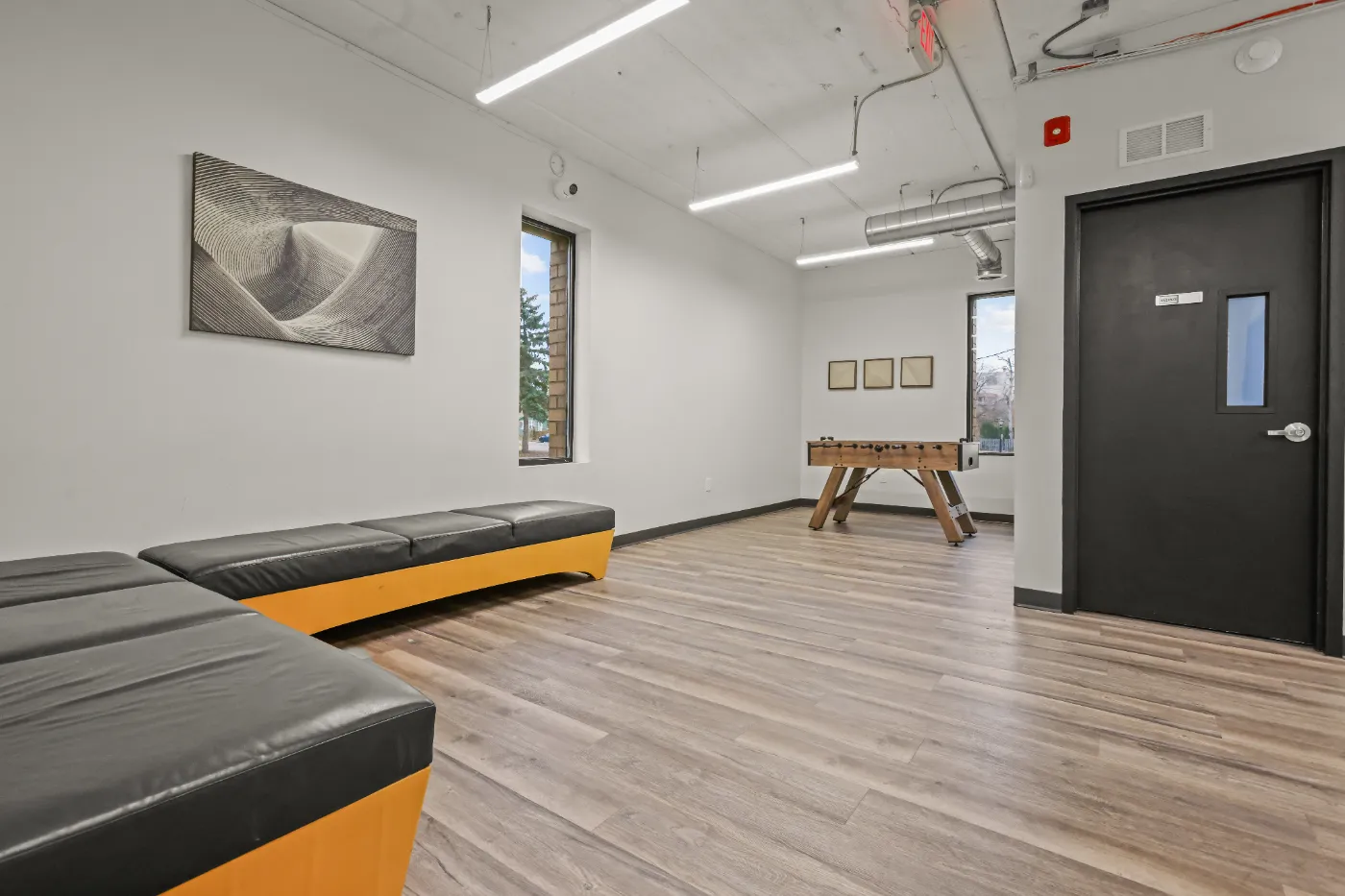
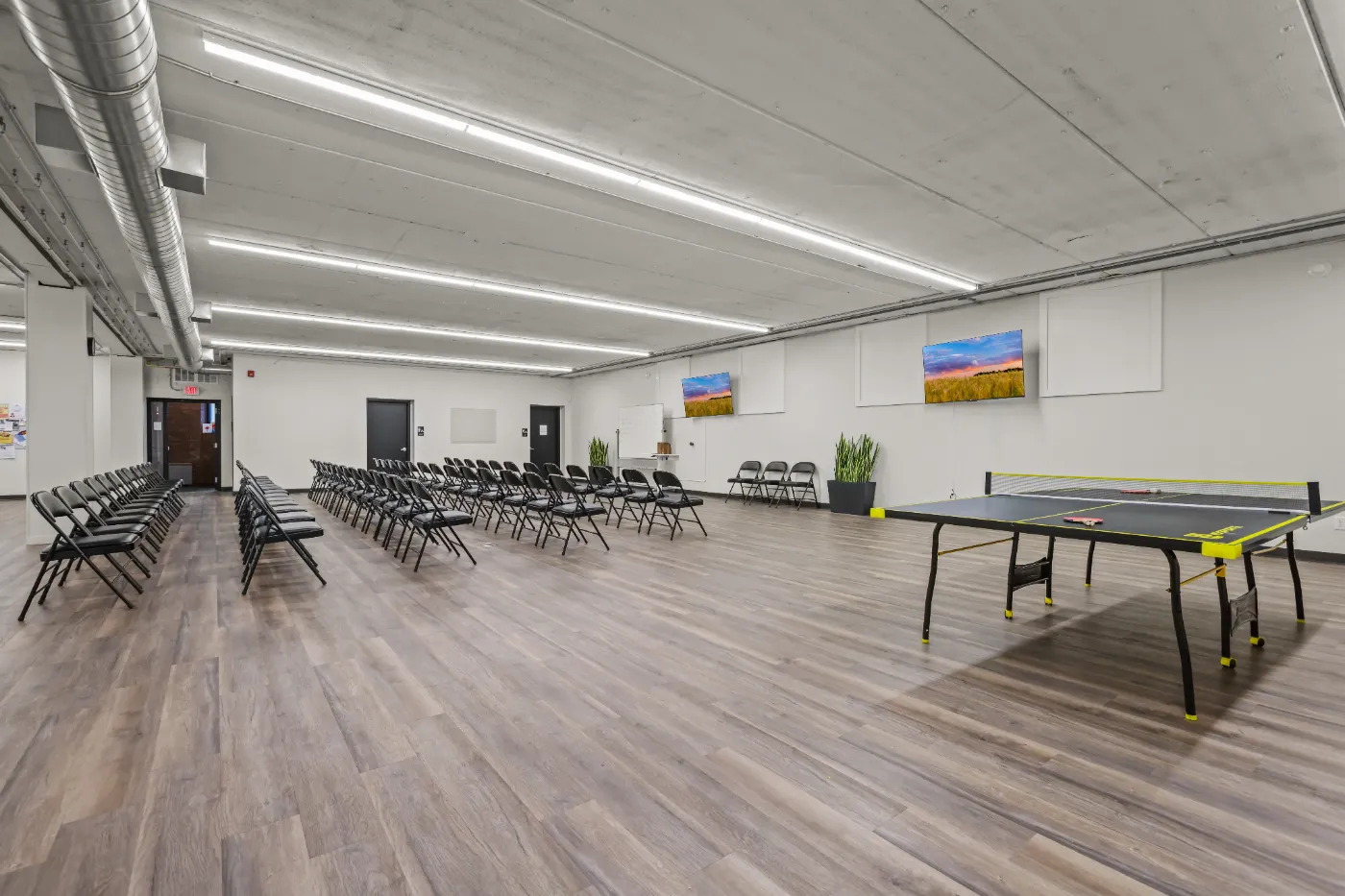
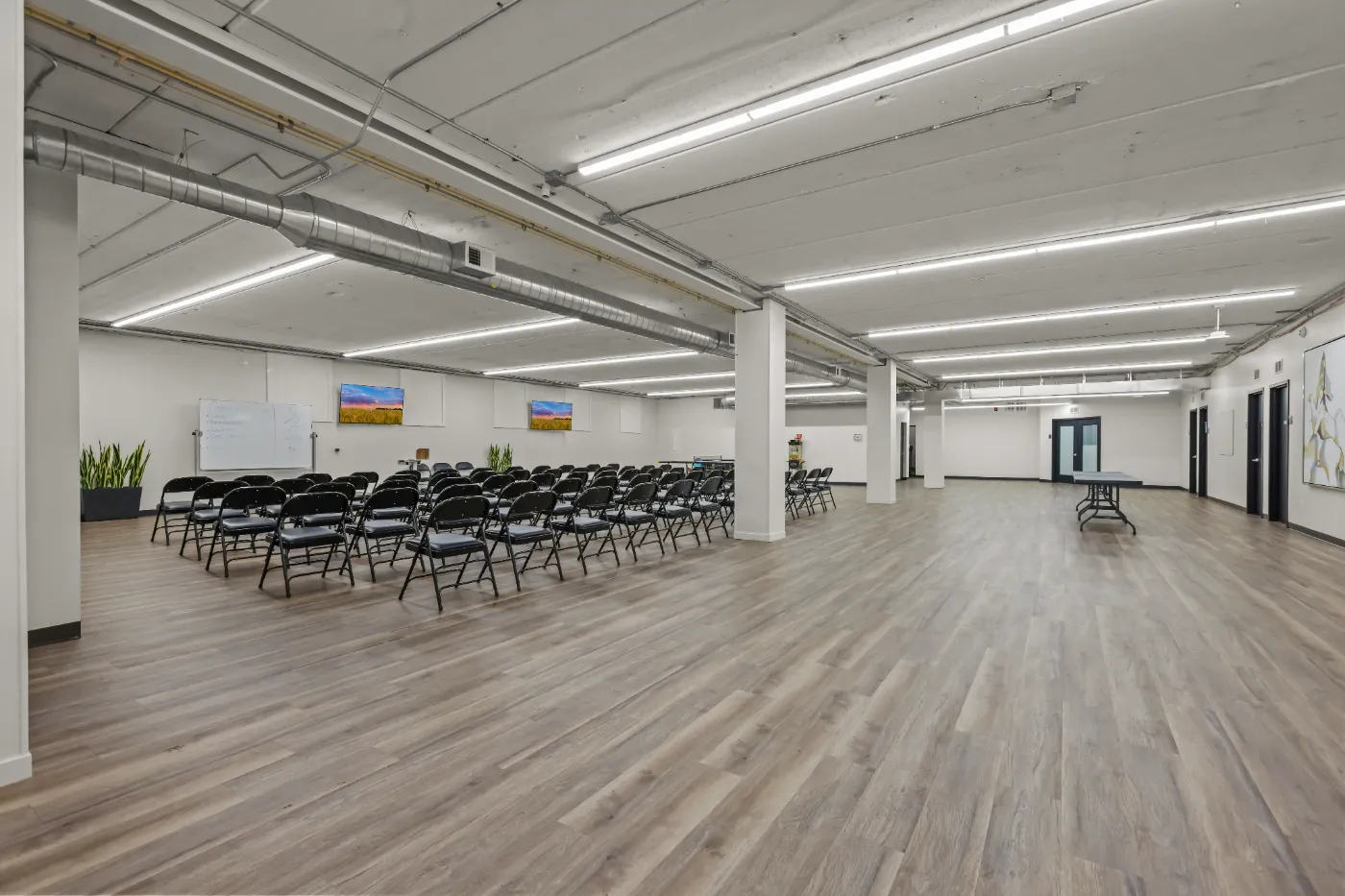
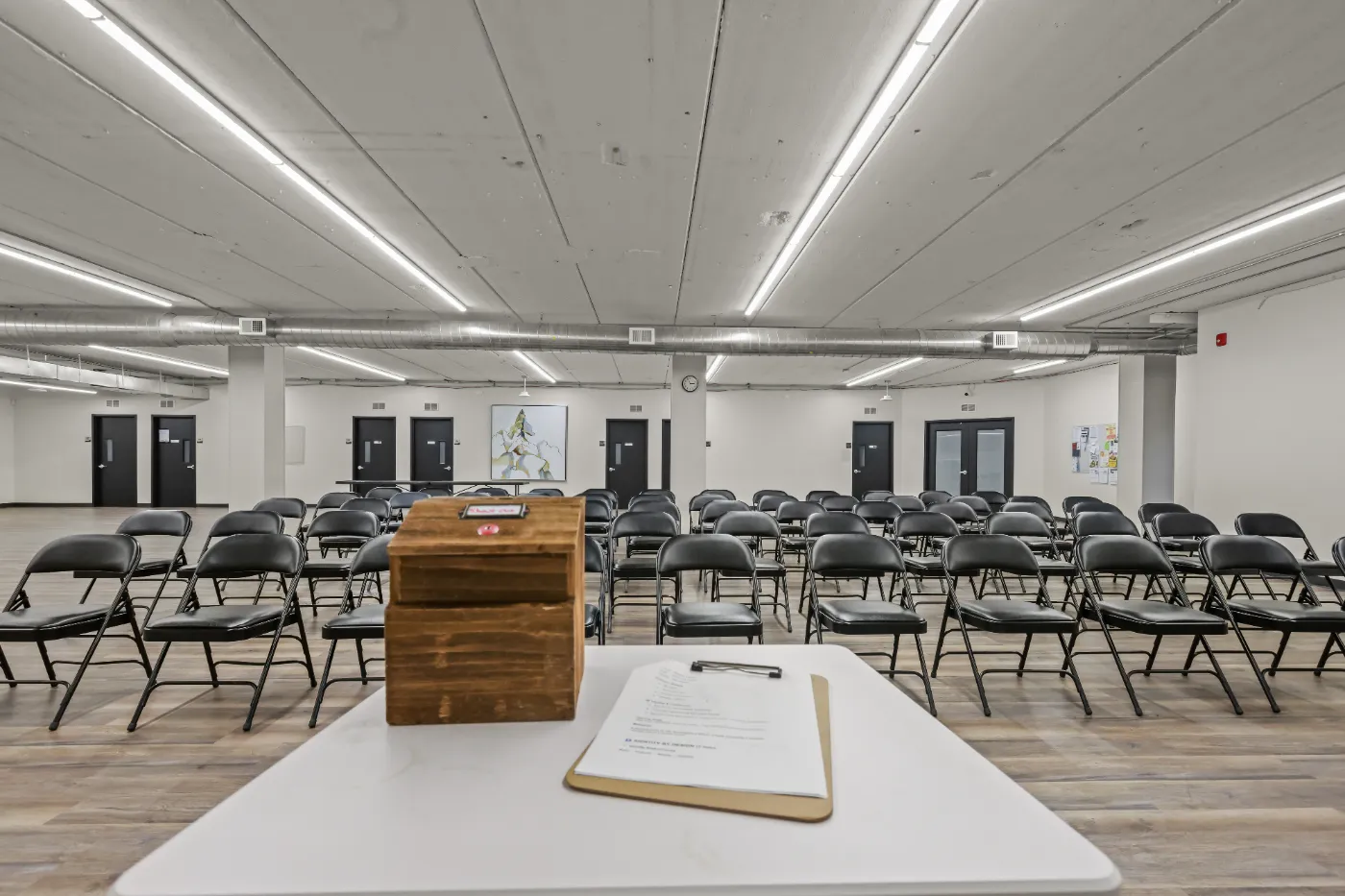
Men’s Outpatient Addiction Treatment in St. Paul, MN
The St. Paul Men’s Campus of Partners Behavioral Healthcare provides outpatient substance use treatment and mental health services for adult men in Ramsey County and the East Metro area. Our programming is designed to deliver structured, evidence-based care while allowing individuals to remain active in their daily lives.
We work with men who are beginning treatment, returning to care, or transitioning from a higher level of service.
Programs Available in St. Paul
Substance Use Disorder (SUD) Assessments
Intensive Outpatient Program (IOP)
Level 2.1 Services
Outpatient Substance Use Treatment
Co-Occurring Mental Health Support
TelyGo Telehealth Services
Treatment emphasizes accountability, relapse prevention planning, and measurable progress toward recovery goals.
Court-Ordered and Justice-Involved Services
Our St. Paul Men’s Campus provides services for individuals who are justice-involved or court-referred. We coordinate with:
Ramsey County probation
Court systems
Diversion programs
Attorneys and case managers
We provide professional assessments, consistent attendance reporting, and structured outpatient programming that supports both compliance and long-term behavioral change.
Serving St. Paul and the East Metro
We support individuals from:
St. Paul
Maplewood
Roseville
Shoreview
Vadnais Heights
White Bear Lake
Oakdale
Surrounding Ramsey County communities
If you are seeking men’s outpatient addiction treatment in St. Paul, MN or need a court-ordered substance use assessment, our team is available to help you begin services.
Start the Process Today
To begin treatment at our Minneapolis location, you can start a referral online or contact our admissions team directly. Early intervention and structured support can make a significant difference in long-term recovery outcomes.